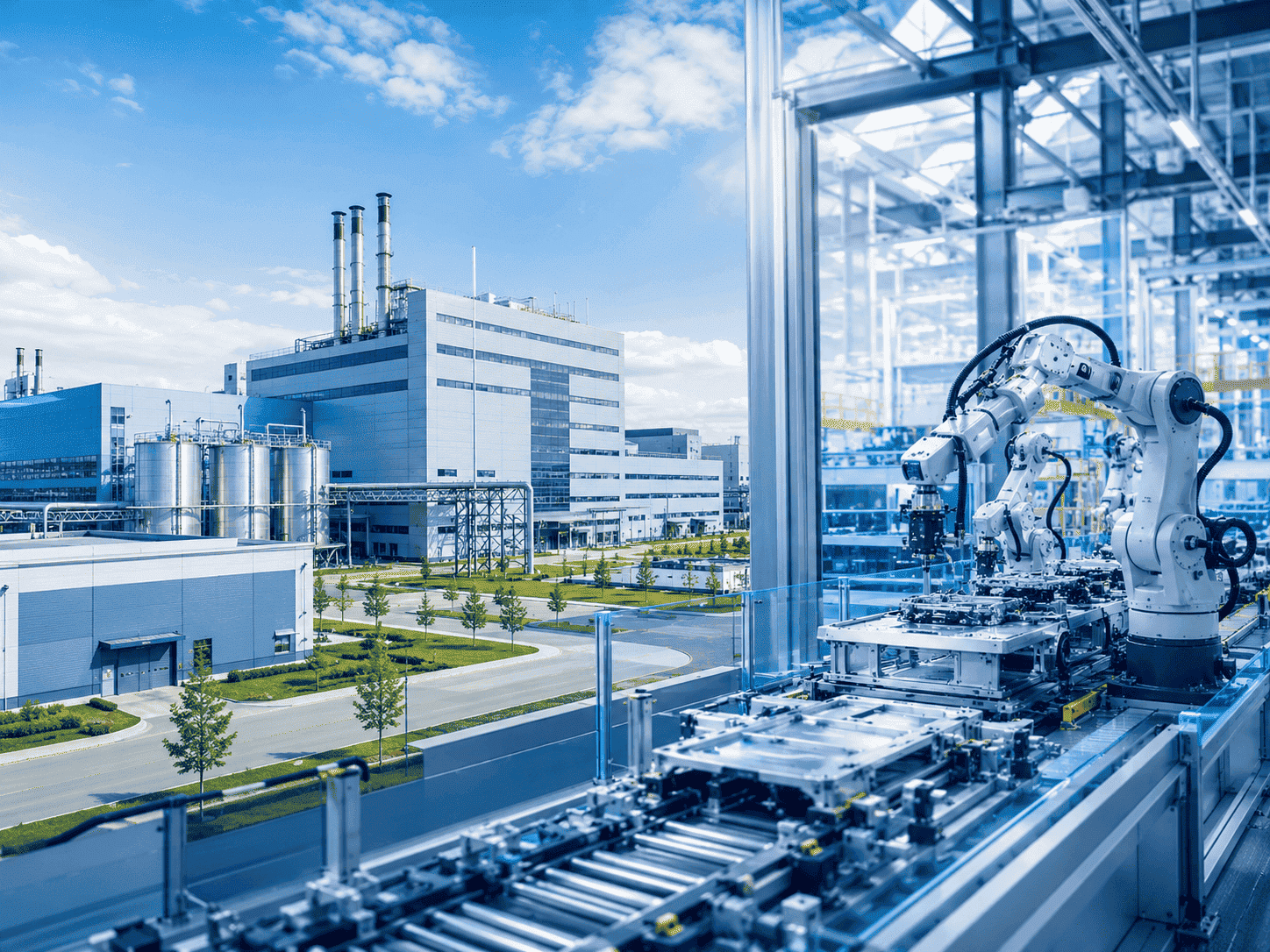
We connect machine vision, industrial cameras, sensors, SCADA/MES/ERP and AI models into a single production control loop. From defect detection and object counting to industrial safety, failure prediction and deviation management.
The platform brings together typical industrial AI scenarios: product quality, safety, traceability, process control and equipment health.
Surface defects, shape, dimensions, color, geometry, packaging, assembly and standard compliance.
Object counting, cycle time, downtime, line load, operation queues and process-parameter deviations.
PPE, hazardous zones, fire, smoke, falls, outsiders, vehicle movement and procedure violations.
OCR, QR, Data Matrix, labels, serial numbers, batches, completeness and product-linked events.
Anomalies in vibration, temperature, current, acoustics, mean time to failure and remaining resource.
Unified event center, API, BI reports, MES/ERP/SCADA, PLC commands and automatic line response.
Industrial sites differ by raw materials, lines, equipment and risks. We adapt cameras, models, events and integrations for mining, food production, machinery, chemicals, energy, light and processing industries.
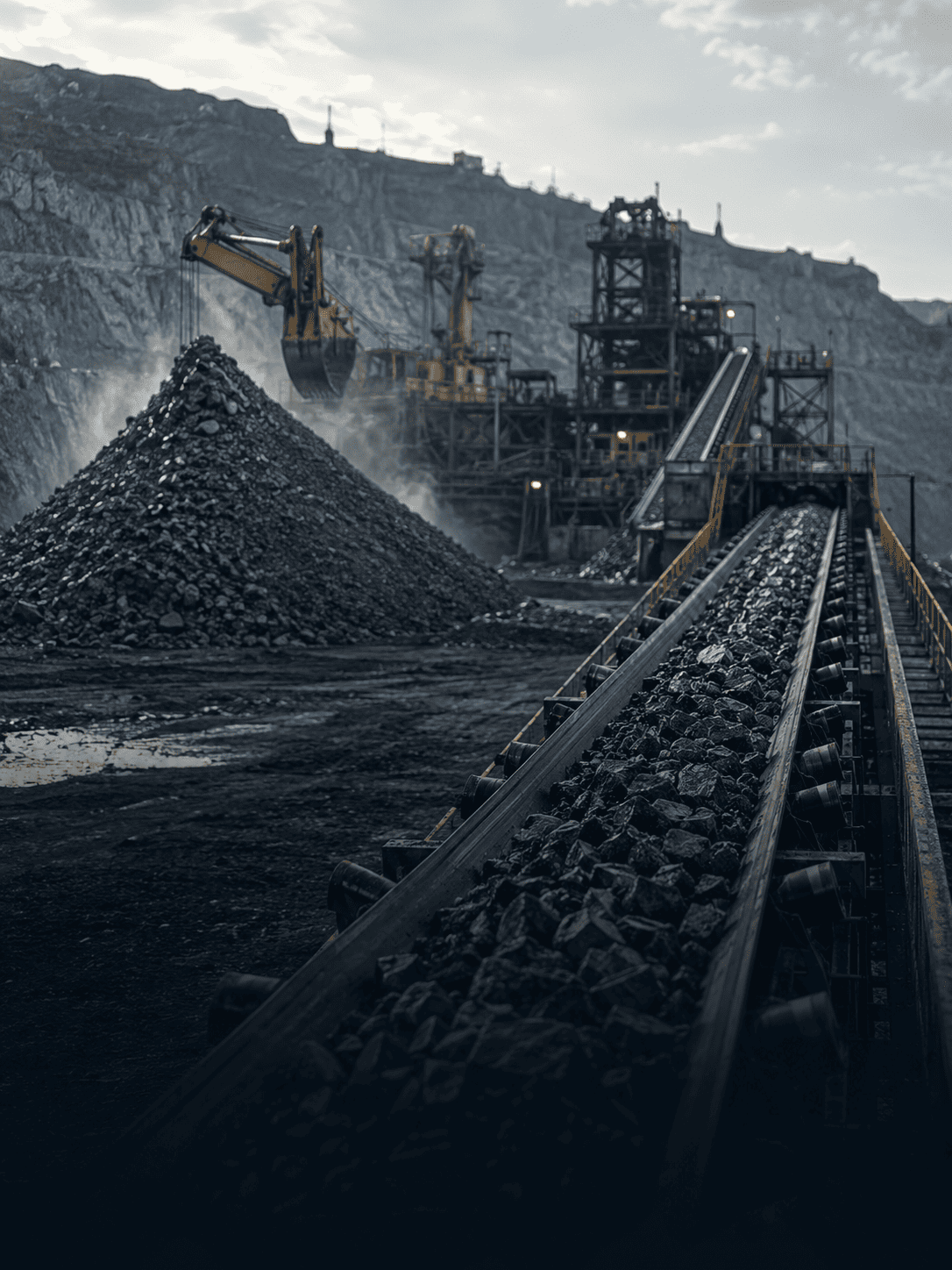
Granulometry, fractions, foreign objects, belts, vehicles, safety.
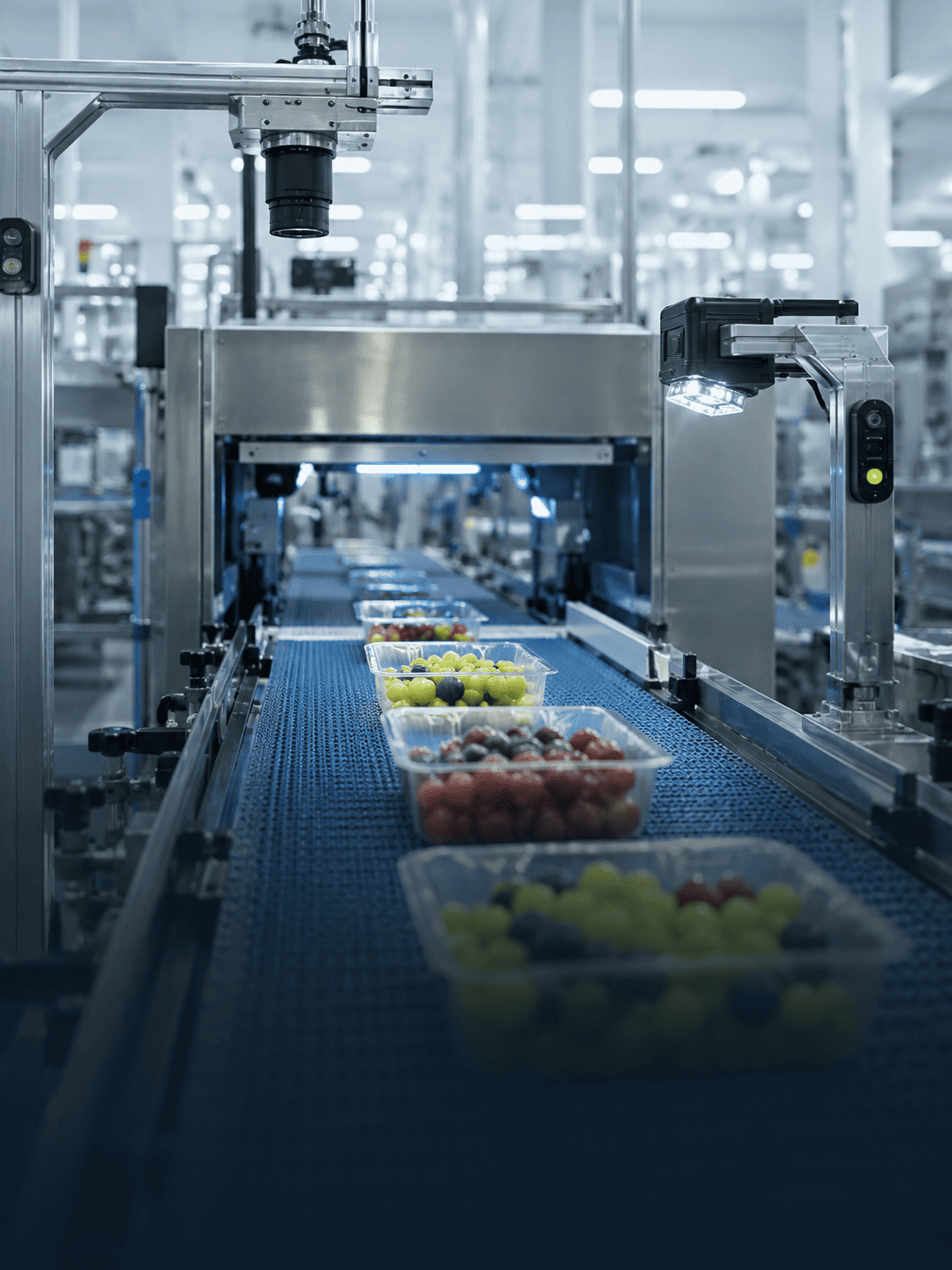
Counting, color, shape, packaging, marking, line hygiene, rejection.
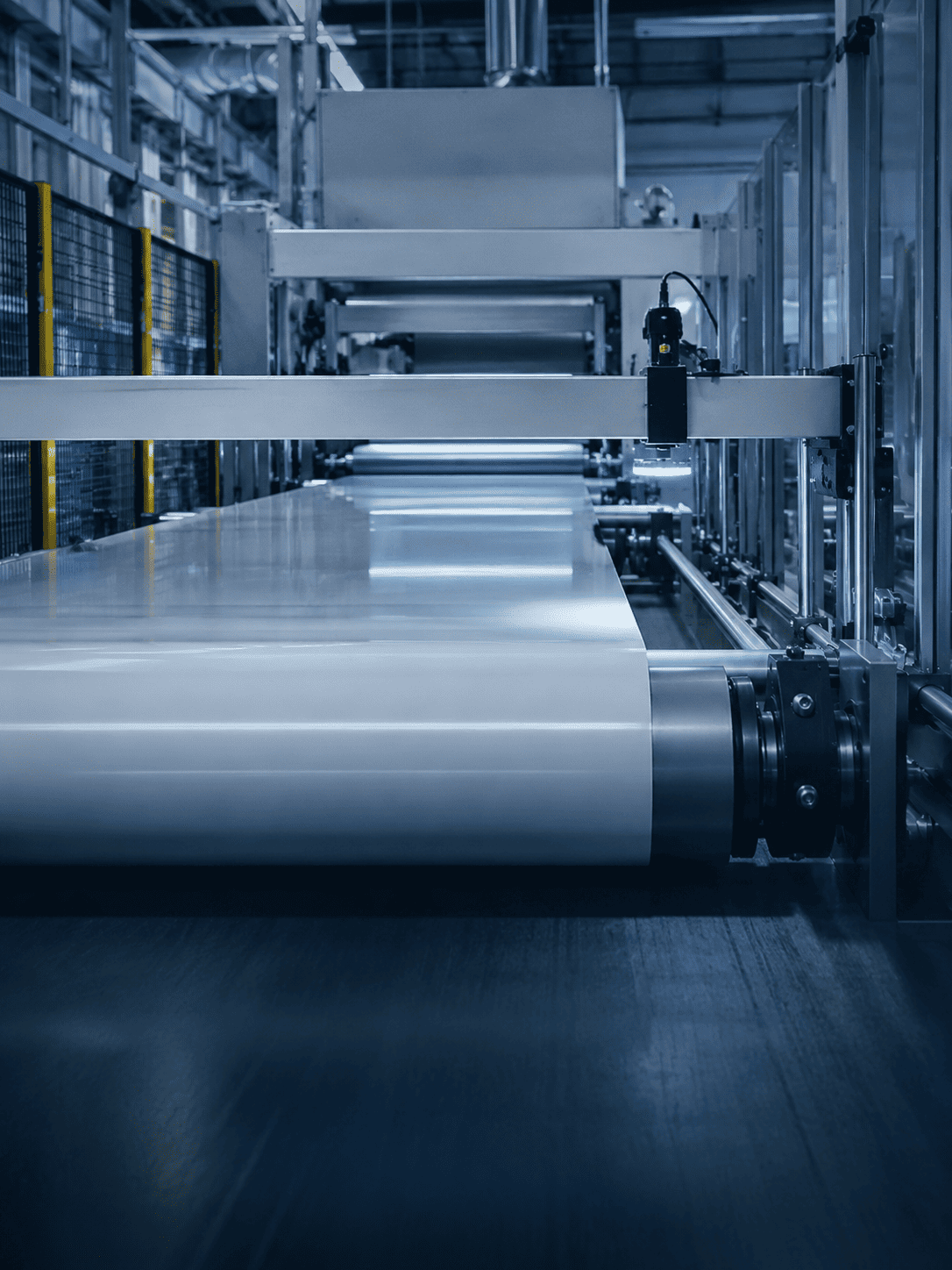
Metal, glass, films, fabrics, paper, cardboard and composites.
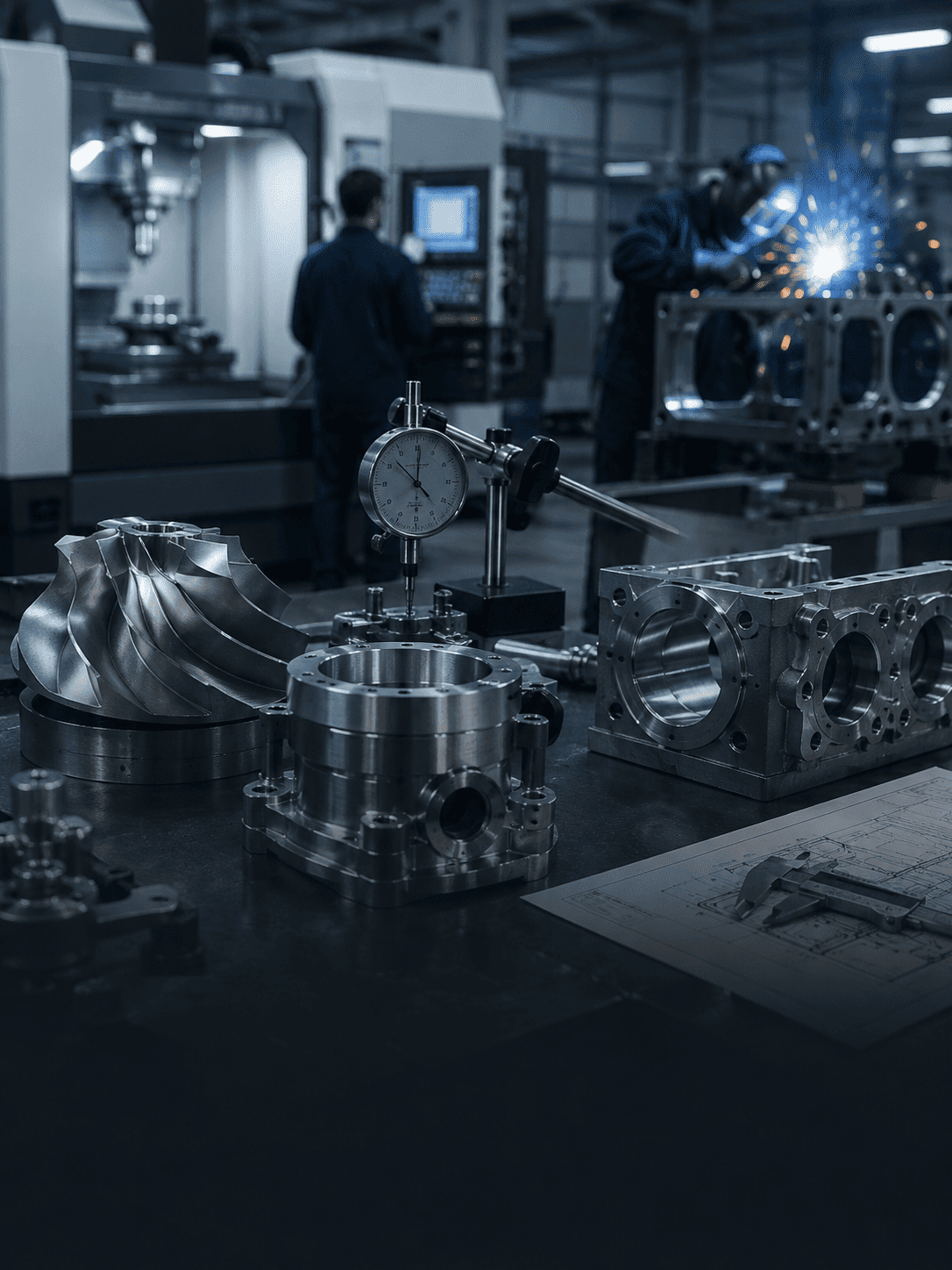
Dimensions, assembly, welding, completeness, marking, part defects.
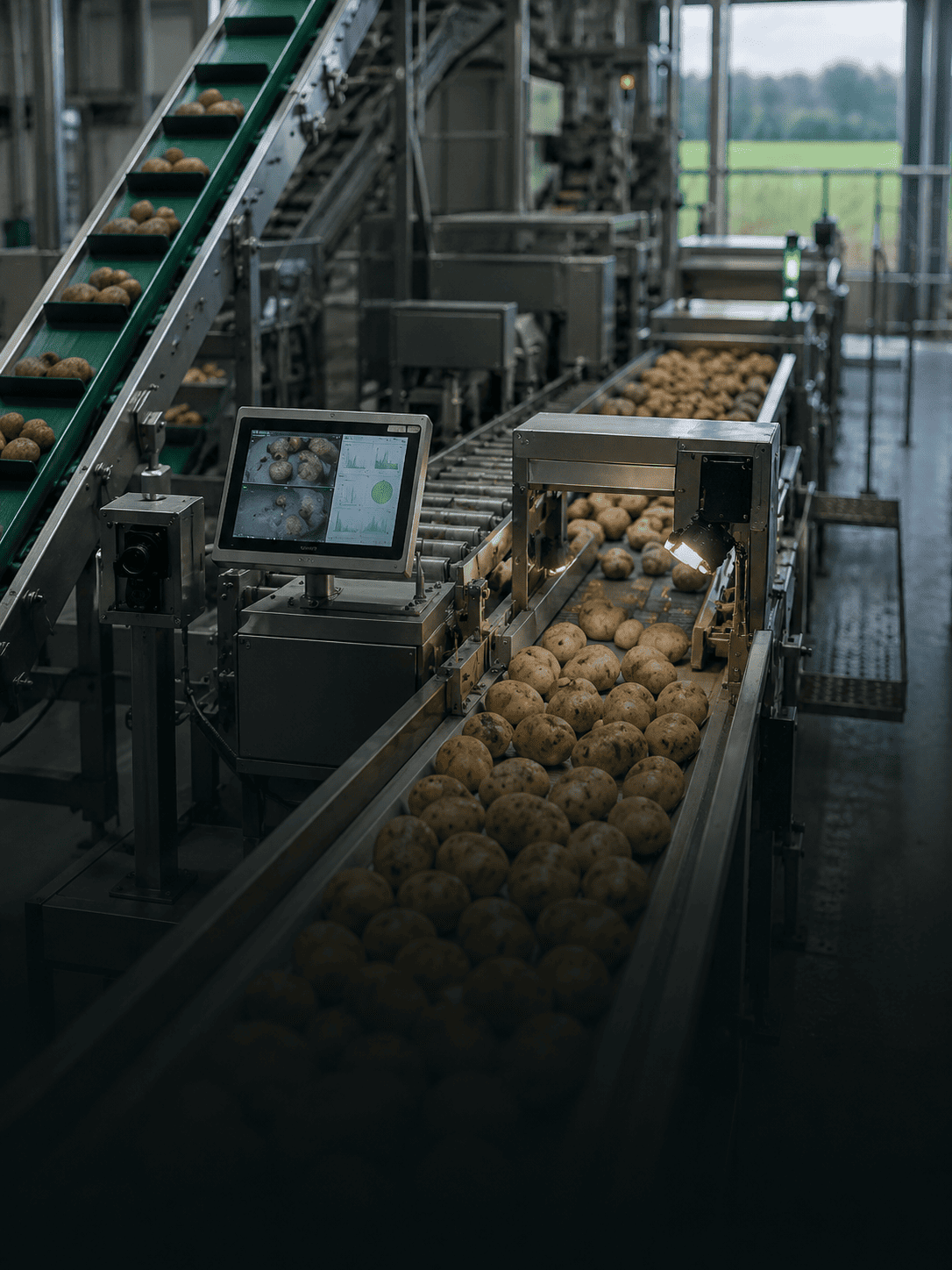
Sorting, classification, raw materials, fractions, contamination, process zones.
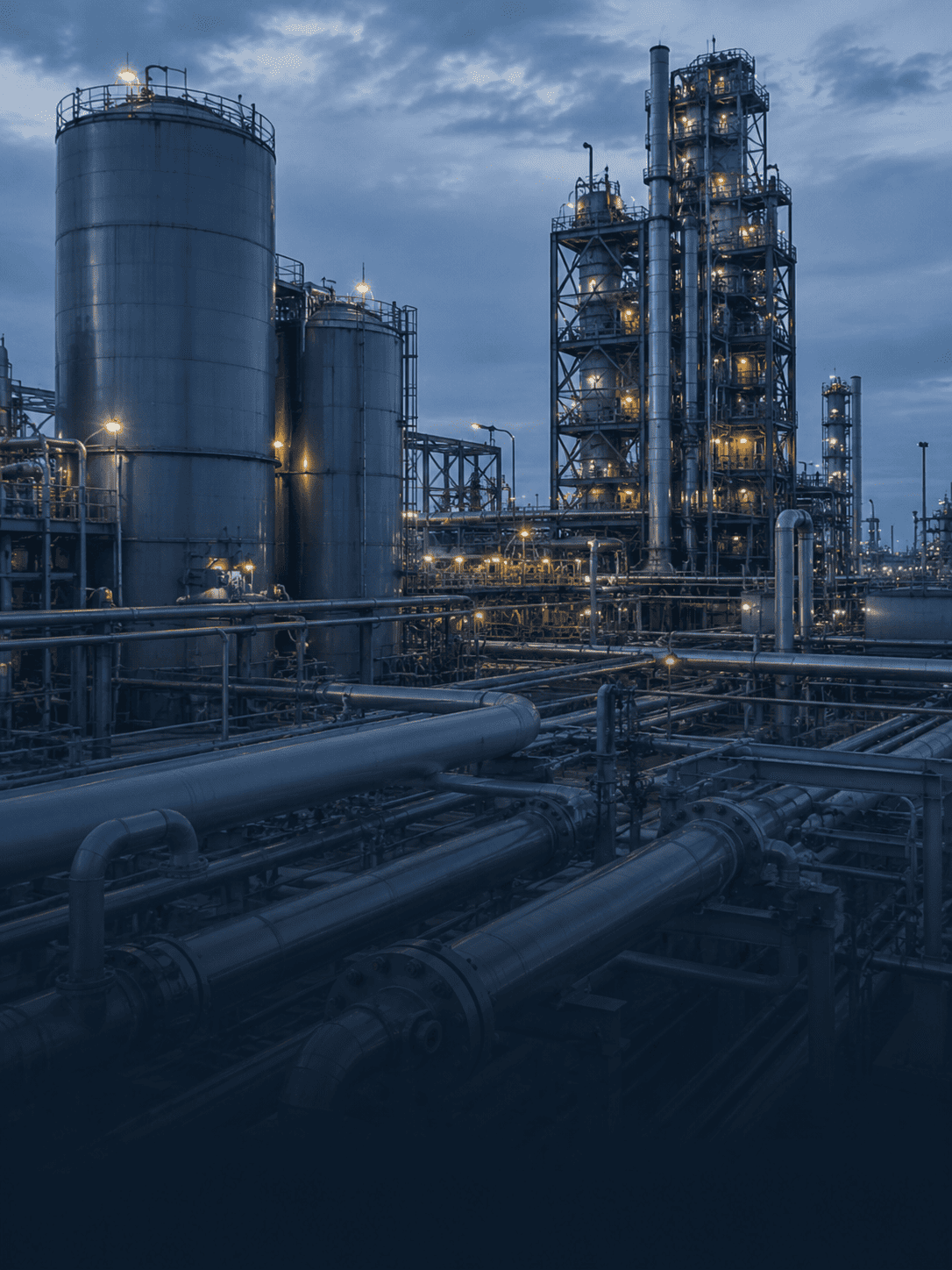
Process parameters, safety, equipment, sensors, anomalies and maintenance.
Scenarios can be launched step by step: one line or one area first, then scale to a workshop, plant and enterprise network.
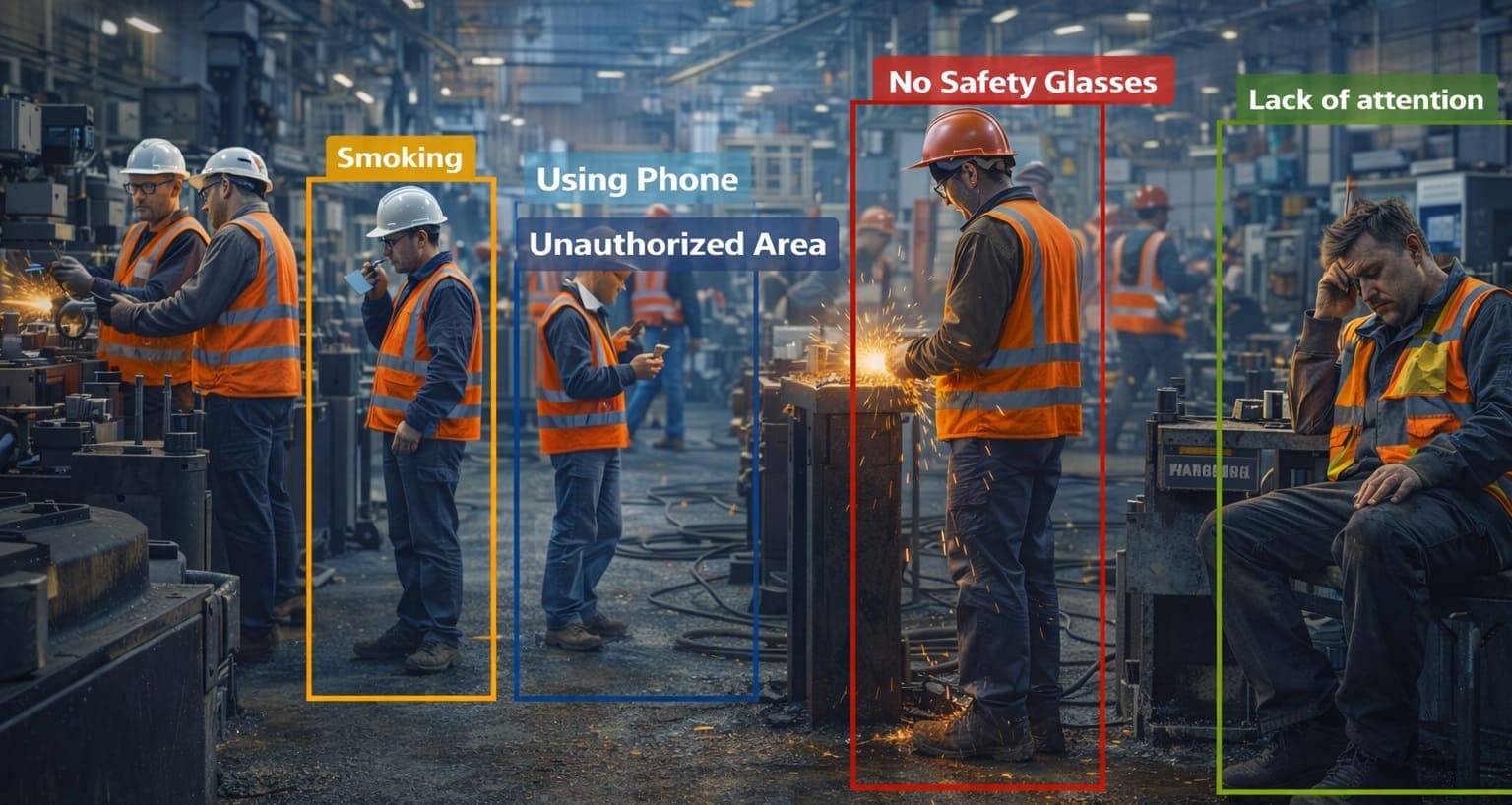
PPE, helmets, vests, hazardous zones, fire, smoke, falls, smoking, vehicles and abnormal events.
Learn more →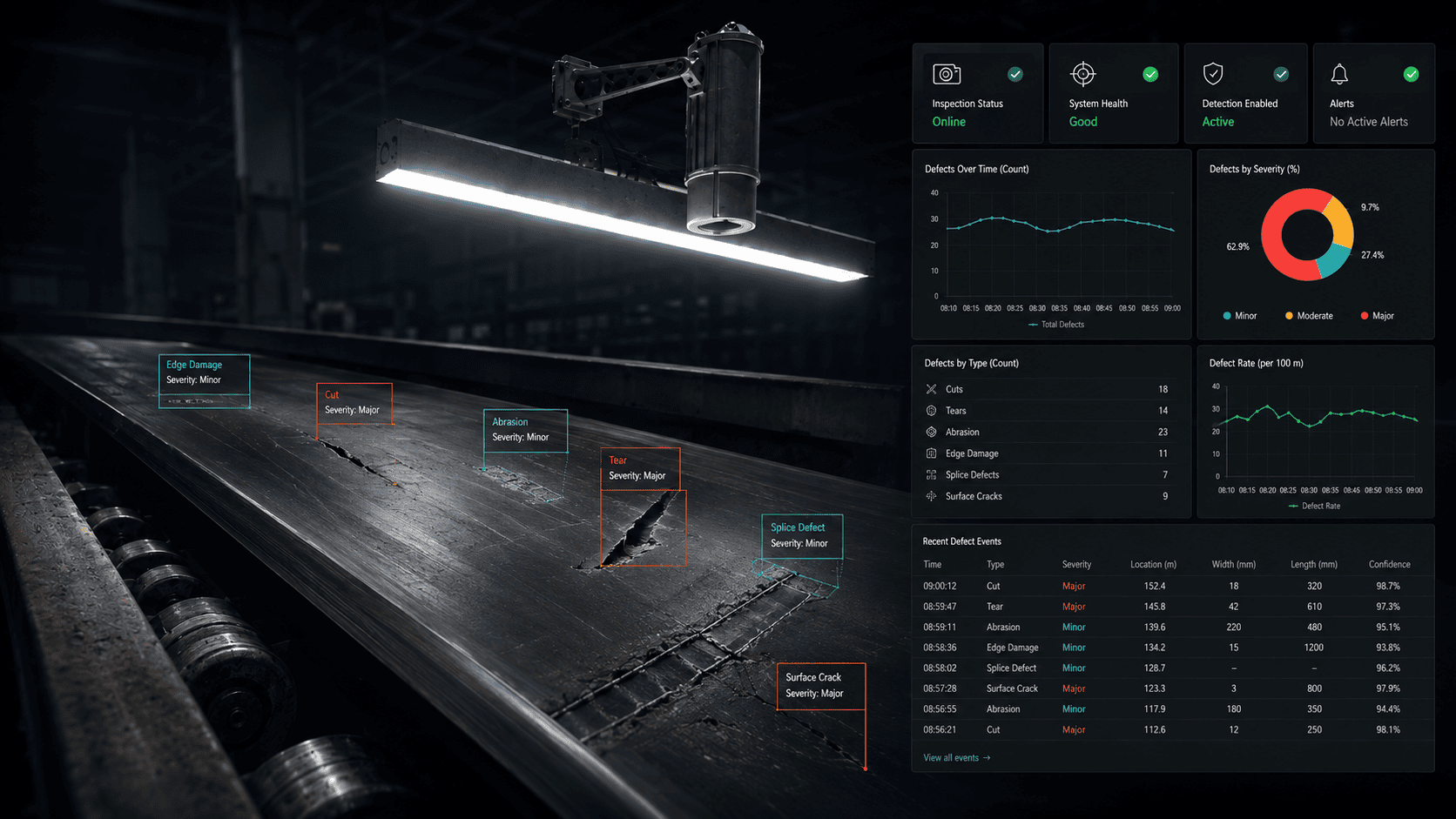
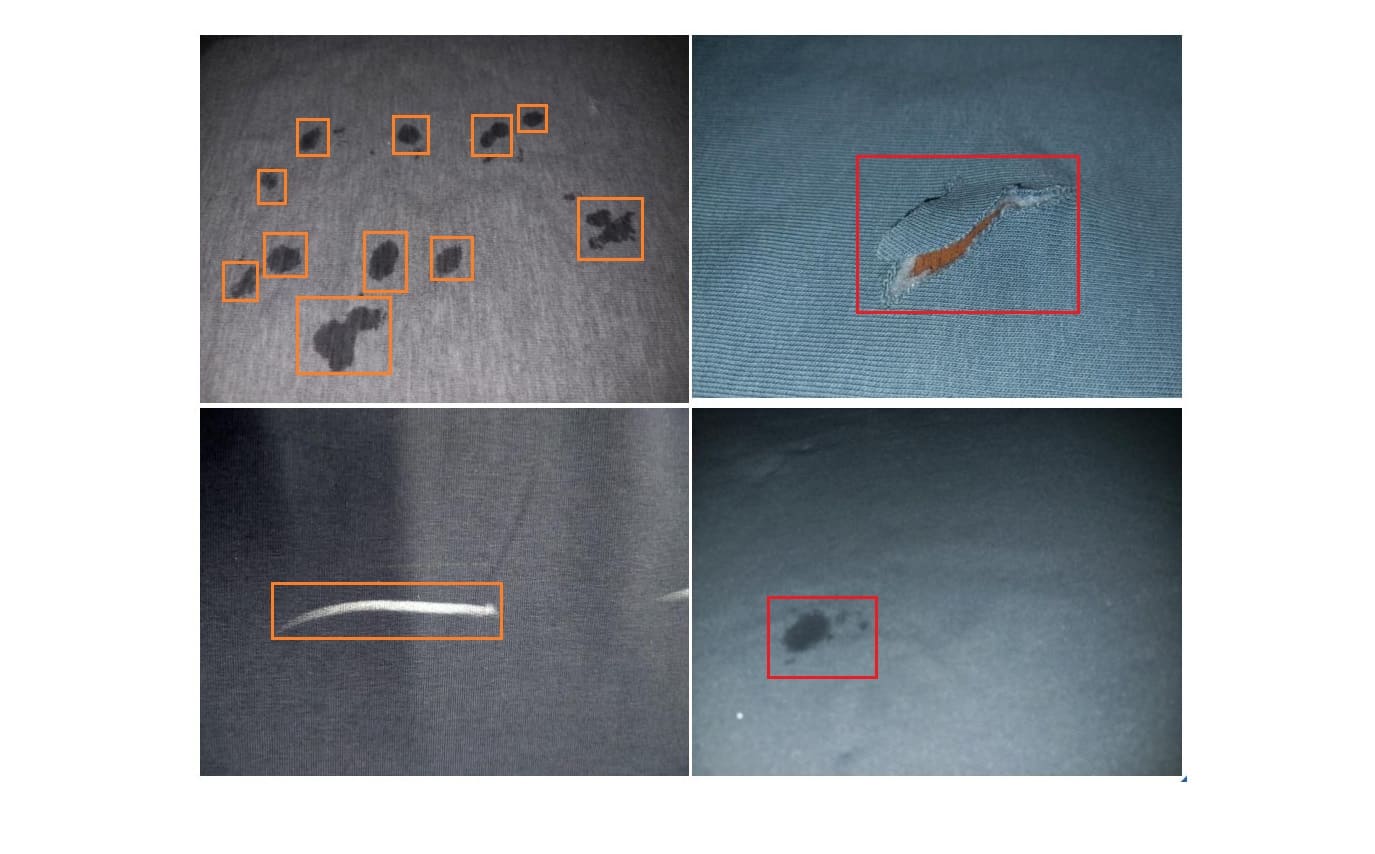
Surface defects, cracks, scratches, contamination, damage, deviations in shape and quality.
Learn more →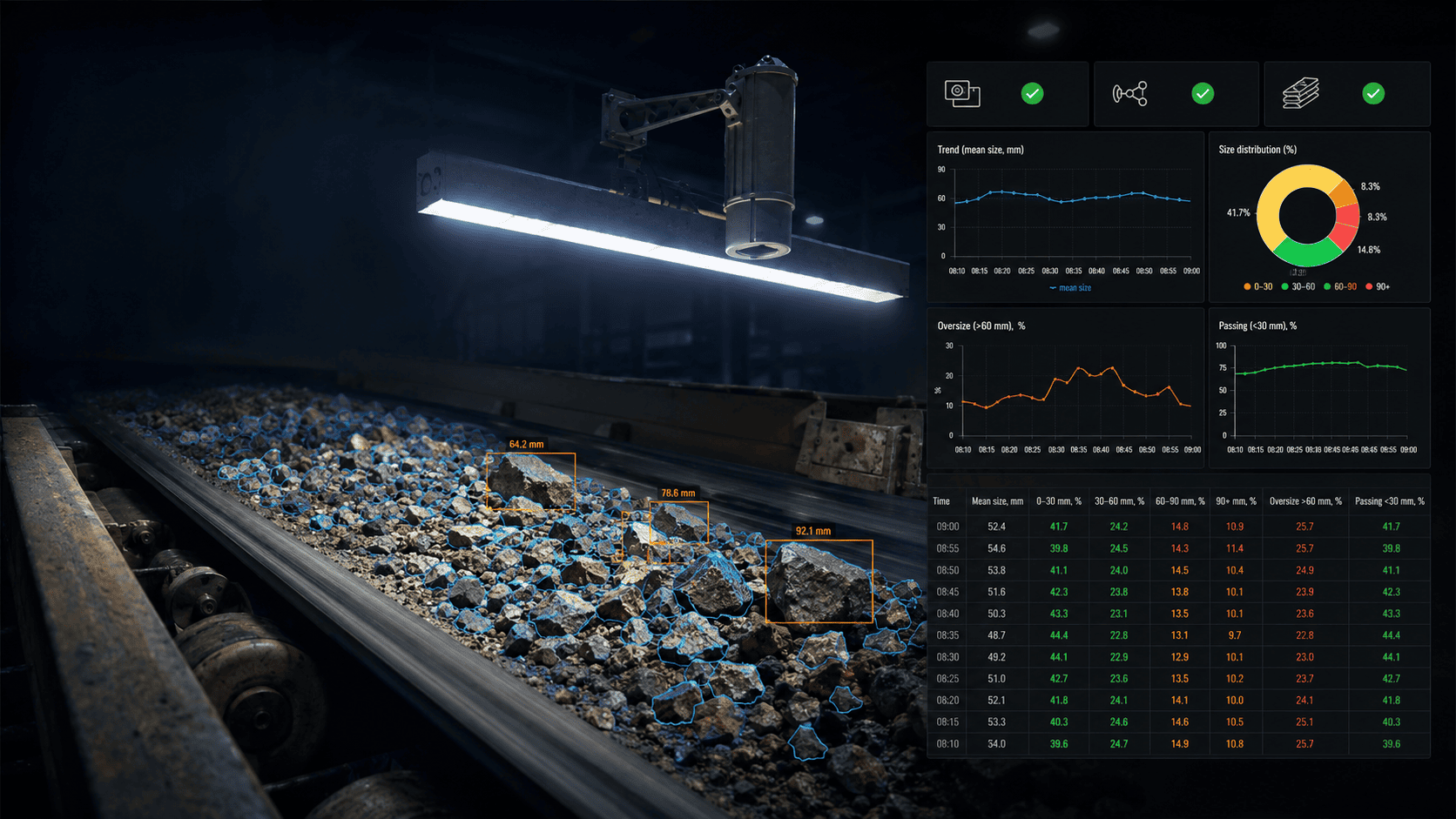
Fractional composition, particle size, distribution, oversize, fines and raw-material quality dynamics.
Learn more →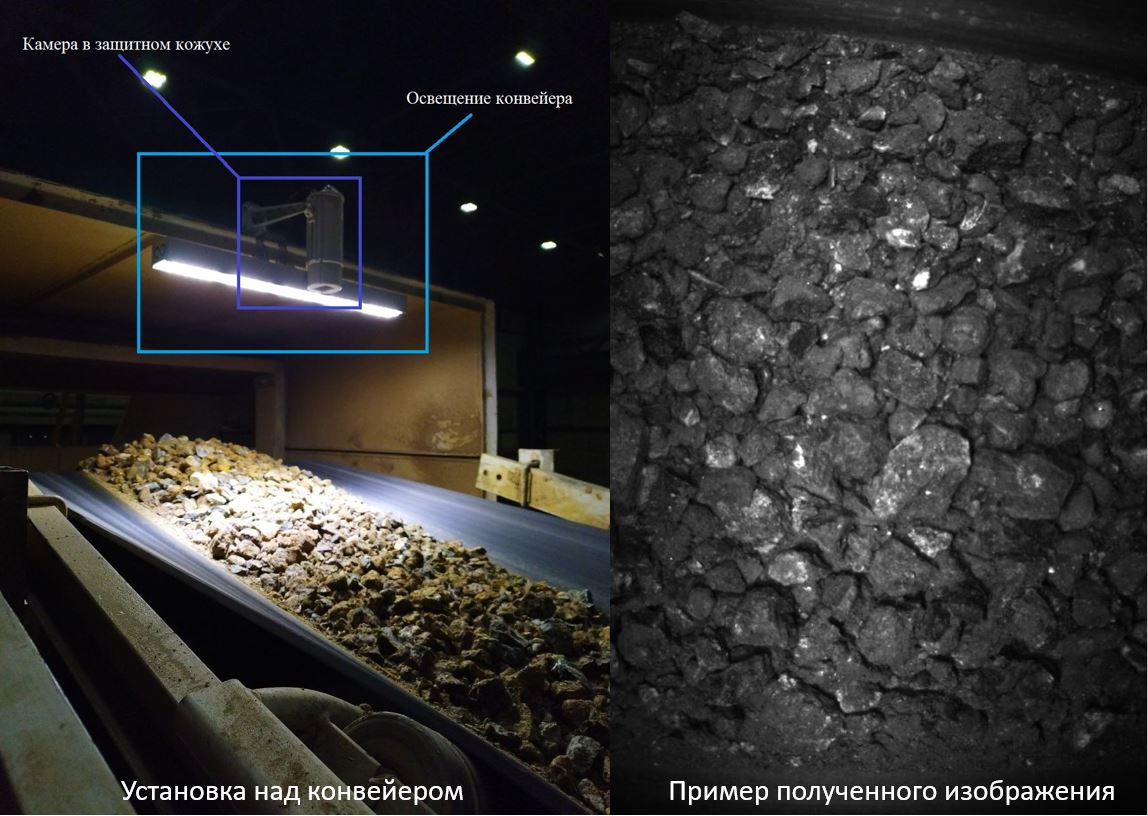
A single section for conveyor tasks: counting, defects, granulometry and line events.
Learn more →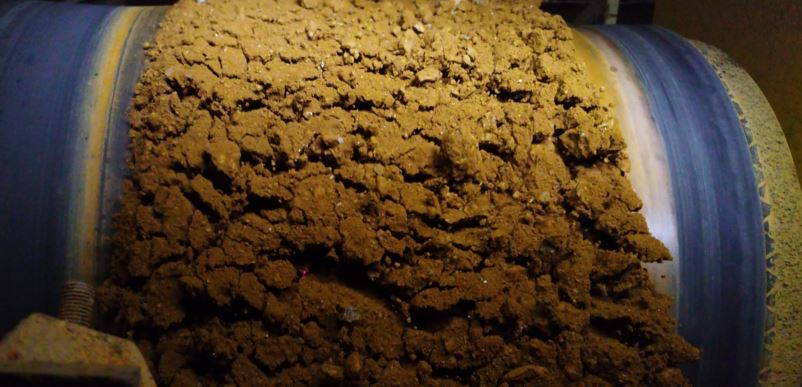
Foreign objects in bulk materials, food products, raw material, packages and process flow.
Learn more →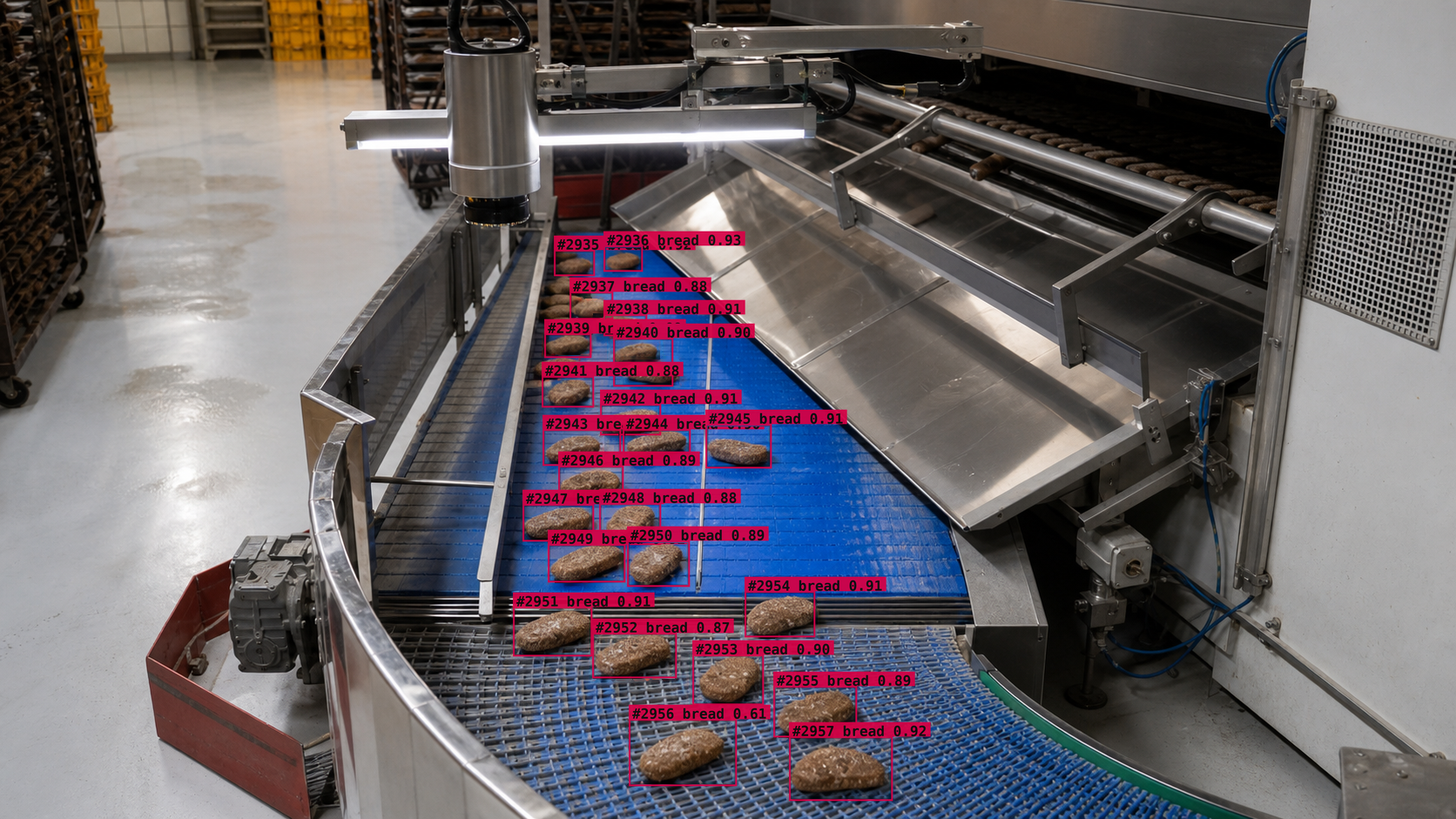
Measuring length, width, thickness, shape, position, gaps, holes and tolerances of parts.
Learn more →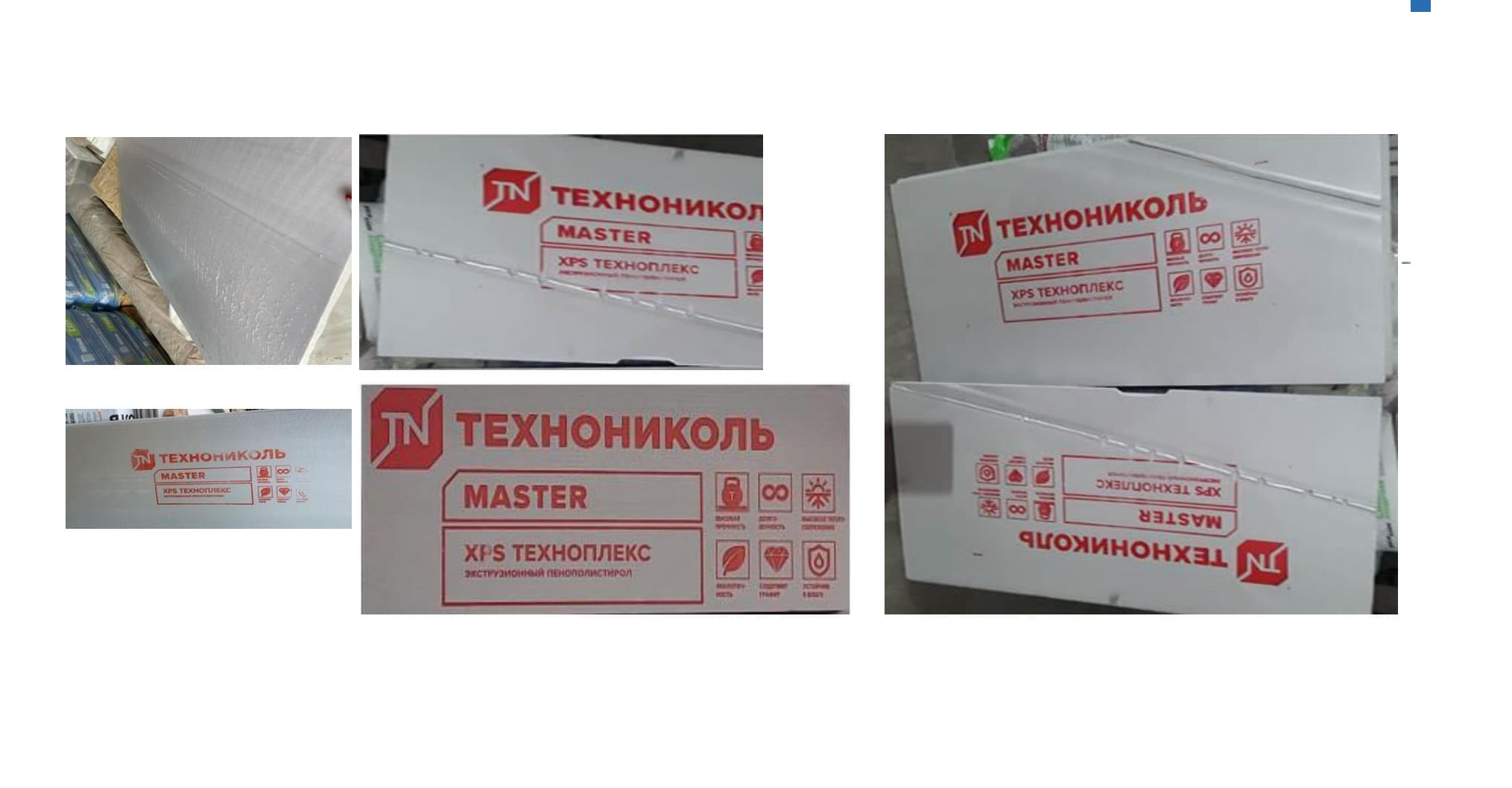
Checking labels, QR, barcodes, serial numbers, date, batch and marking readability.
Learn more →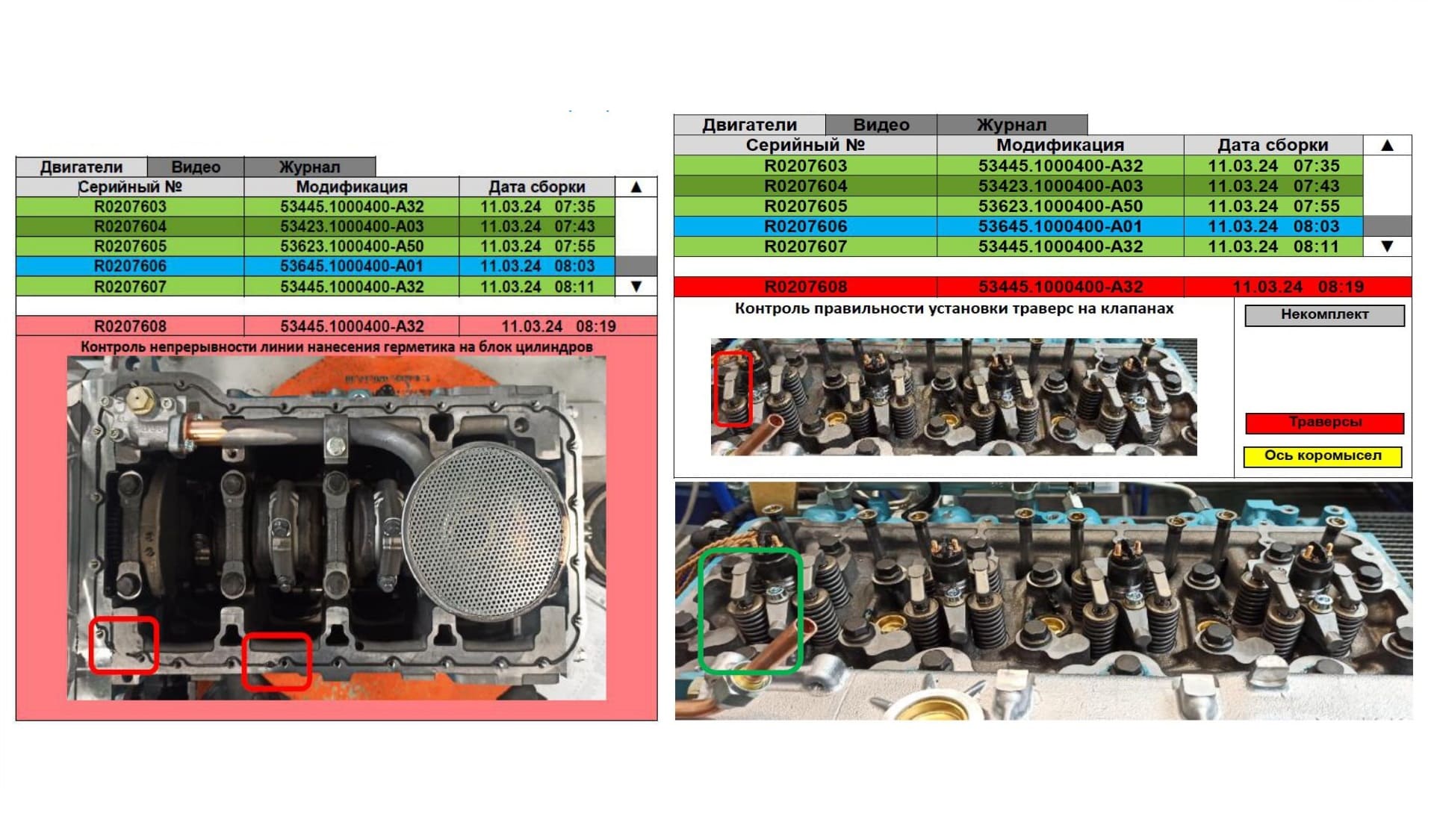
Component presence, operation order, assembly correctness, fasteners, welding, seams and kits.
Learn more →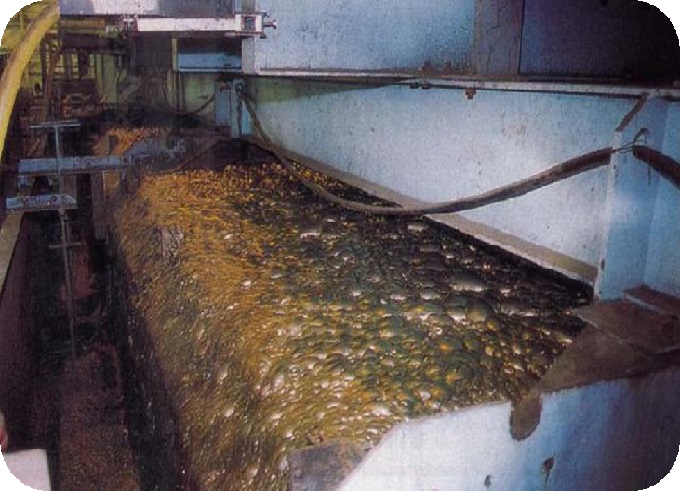
Classifying objects by color, shape, type, grade, quality class and visual attributes.
Learn more →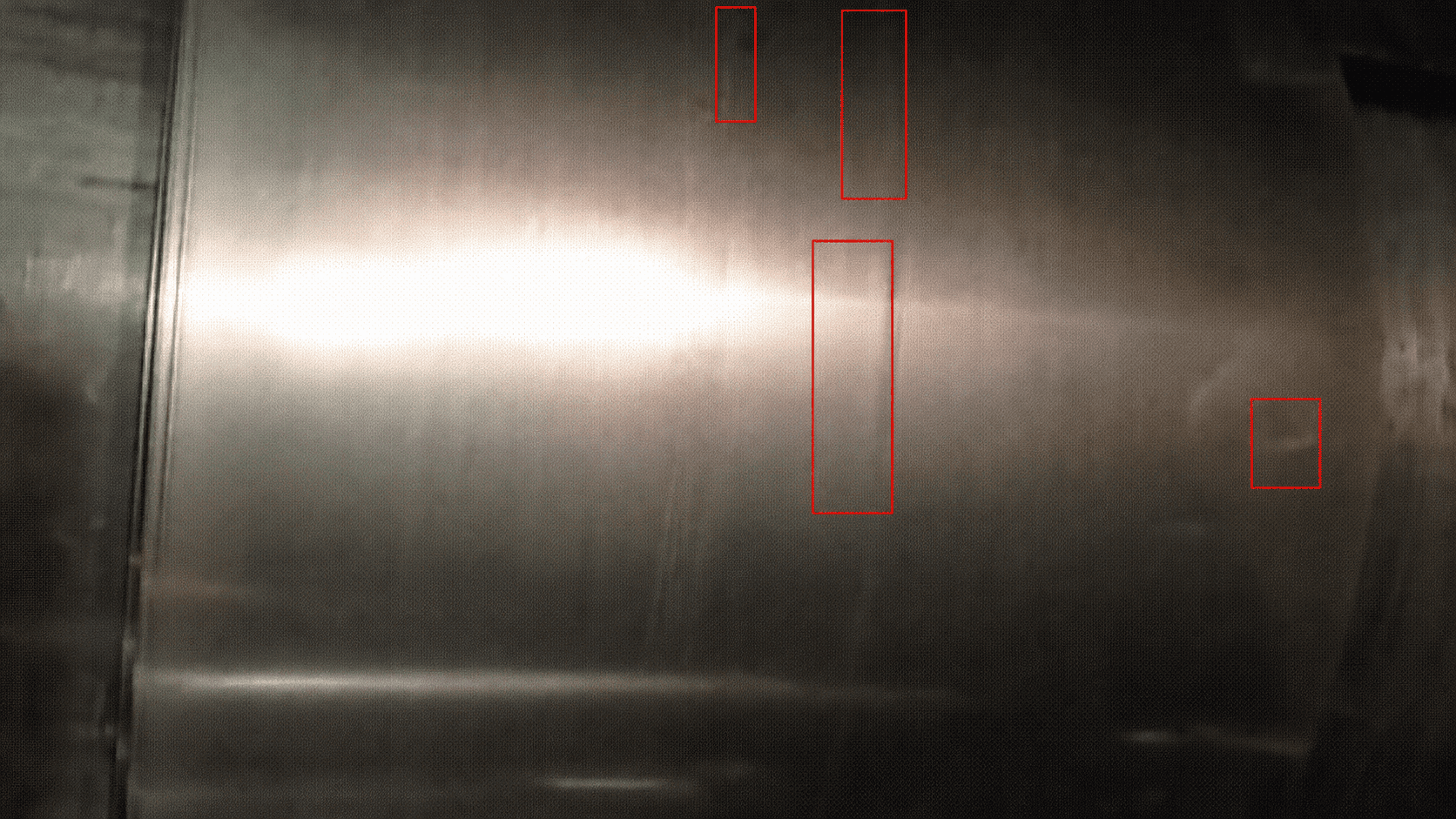
Tears, cuts, wear, joints, coating damage, defect dynamics and event coordinates.
Learn more →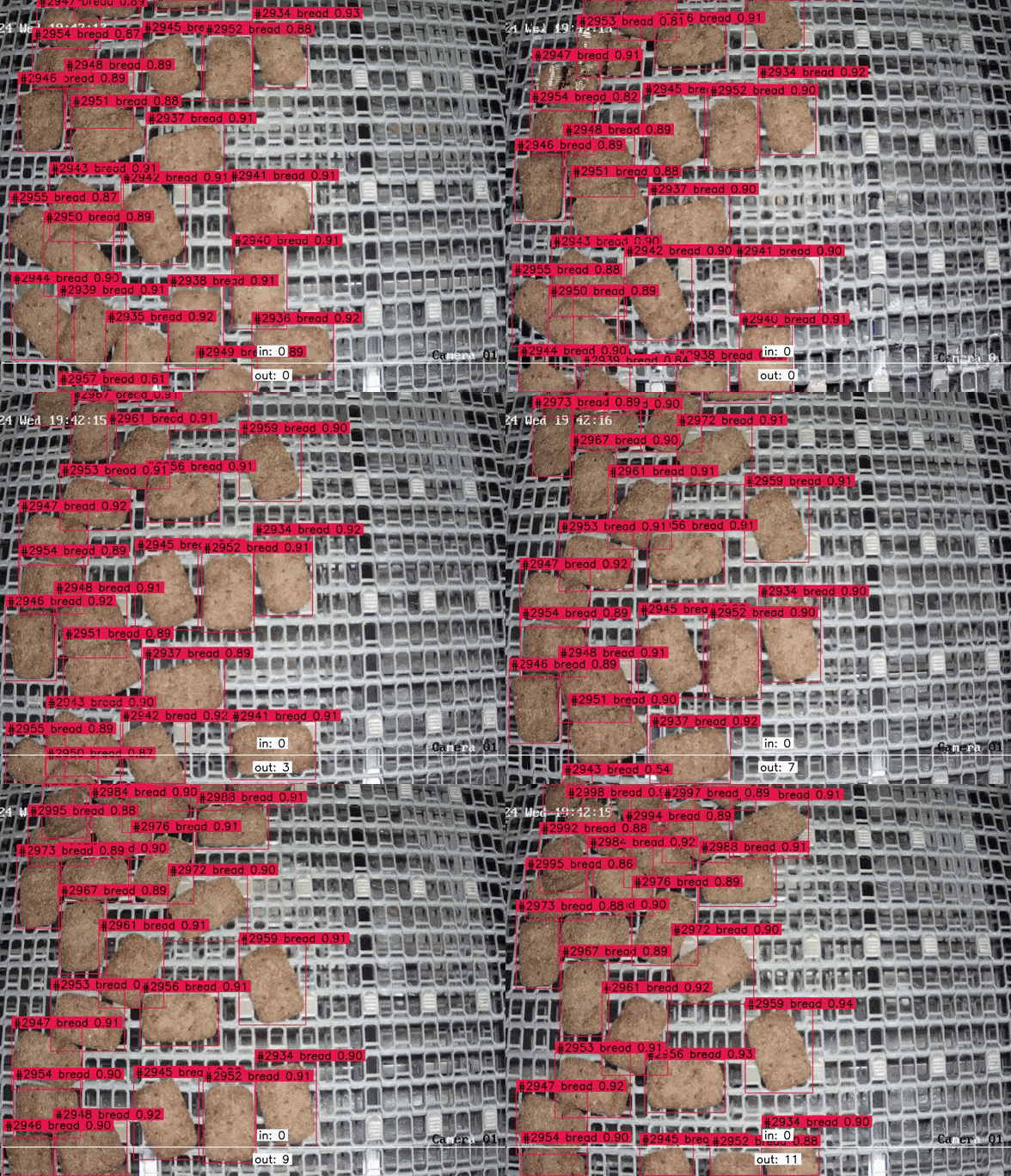
Counting products, packages, parts and mixed flows, presence checks and counters sent to accounting systems.
Learn more →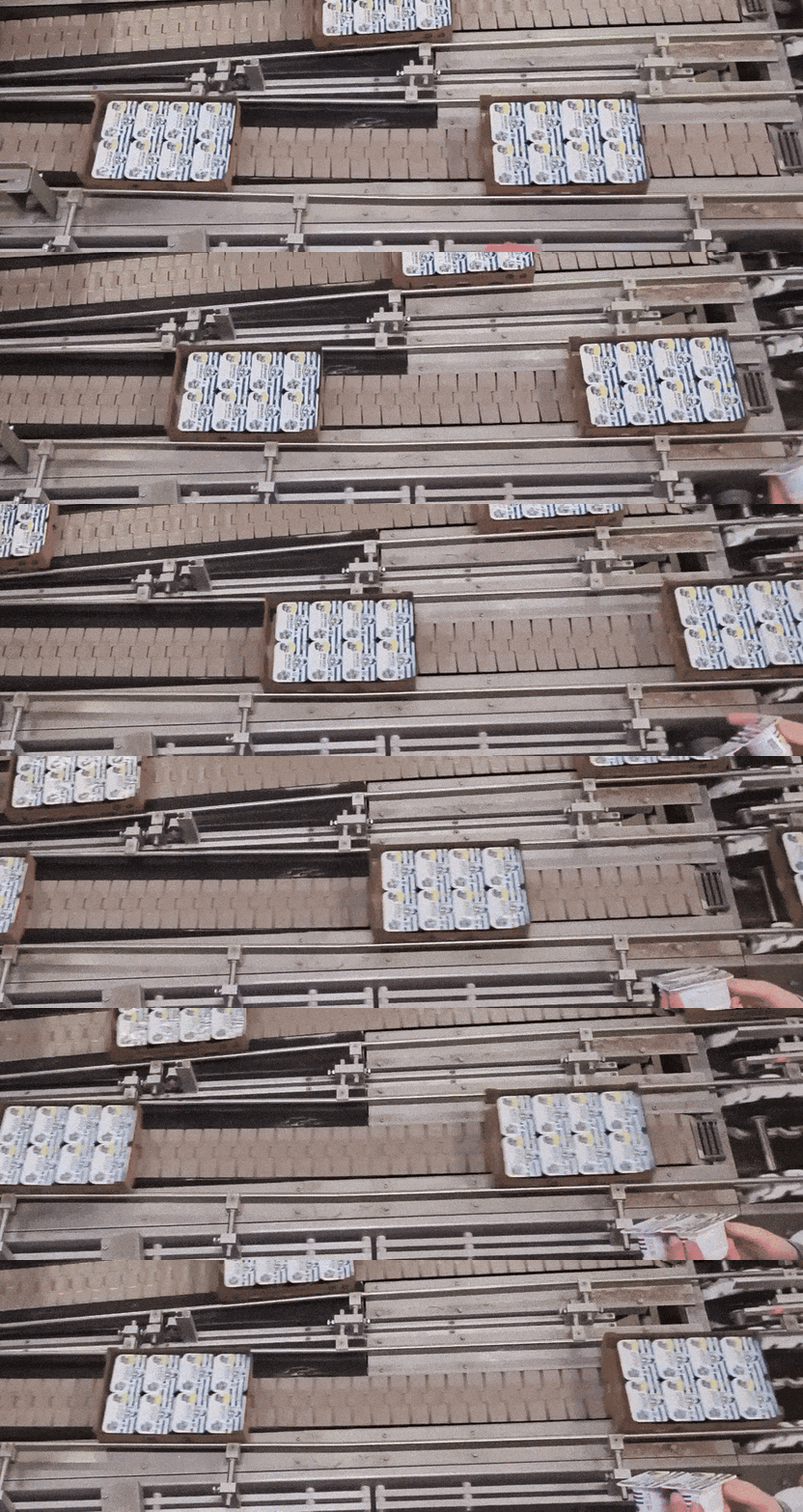
Tightness, completeness, label shift, damage, contamination, deformation and packaging defects.
Learn more →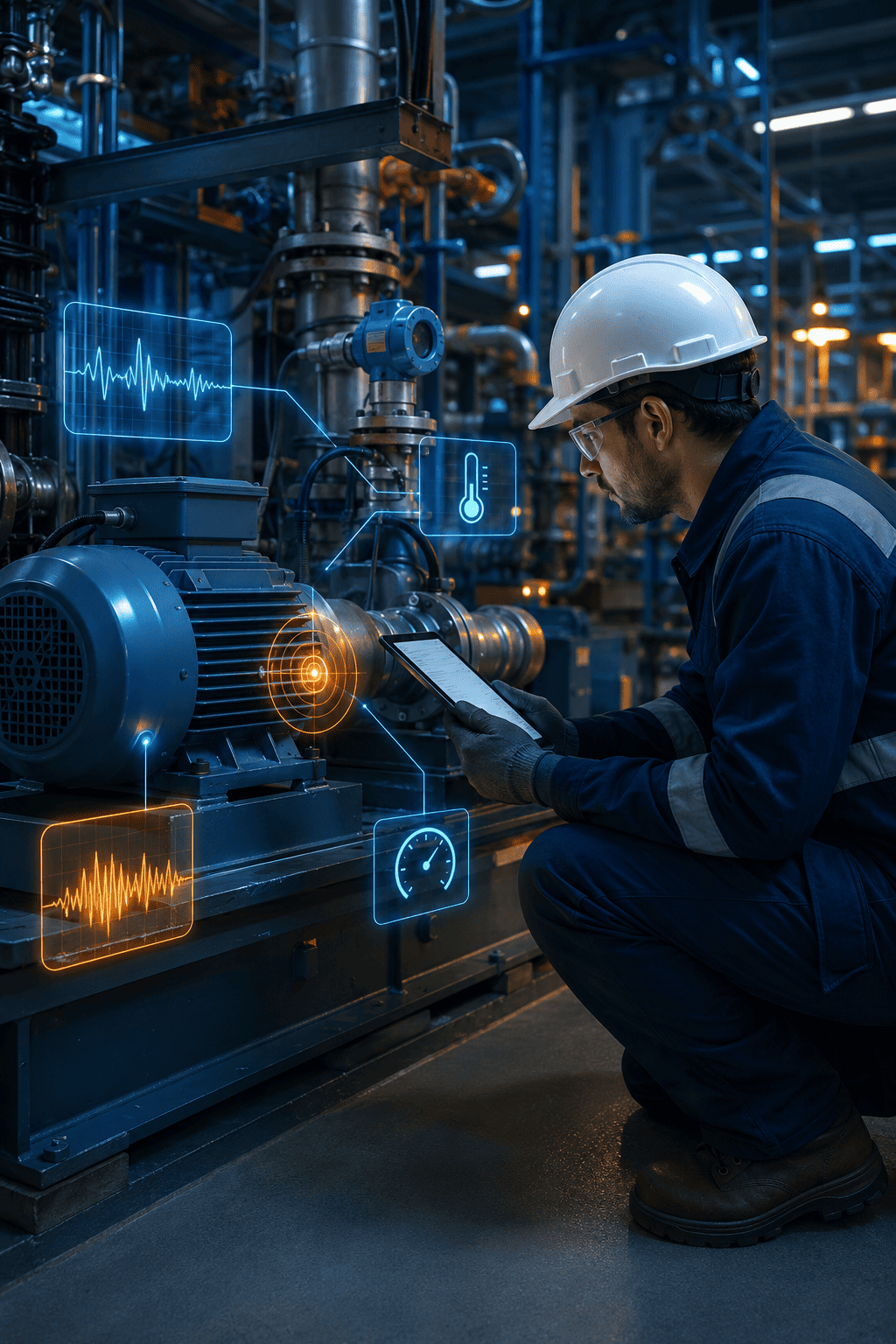
Anomalies, vibration, temperature, current, acoustics, RUL, MTBF, early wear signs and planned maintenance.
Learn more →The system detects surface defects, geometry, color, completeness and marking directly on the line. The operator receives an event, frame, coordinates, defect class and action: pass, reject, stop a section or send the event to MES/SCADA.
Video analytics monitors PPE, hazardous zones, vehicle movement, falls, smoke, fire and regulatory violations. Critical events are sent to responsible staff immediately, while frames are stored as evidence.
The logic is not tied to one industry. It is more important to understand where the risk appears: raw material, line, assembly, packaging, storage, shipment or equipment condition.
Fractions, contamination, foreign bodies, batch quality and compliance with incoming requirements.
Counting, sorting, presence control, defects, color, shape, cycle time and stops.
Completeness, operation order, geometry, welding, fasteners, marking and surface quality.
Packaging defects, tightness, labels, codes, date, series, traceability and rejection.
Pallets, storage zones, movement, vehicles, stock, shipment and warehouse safety.
Temperature, vibration, current, pressure, acoustics, emergency modes and resource prediction.
In industry, AI works not only with images. Time-series data from sensors, PLC, SCADA and laboratory measurements can be added to predict risk before unplanned shutdown.
Models learn the normal equipment profile and detect deviations before they become critical.
Remaining life estimation for units, parts and lines based on operating mode and maintenance history.
Vibration, temperature, current, sound, pressure, speed, flow and other signals are analyzed as one stream.
Alerts, repair priorities, deviation causes and links between events, process and product quality.
The system works as an overlay on existing infrastructure: cameras and sensors collect data, AI models detect events, and the result is sent to the operator, line or business systems.
IP cameras, industrial cameras, line-scan cameras, sensors, PLC, SCADA, MES, ERP and lab data.
Detection, segmentation, OCR, classification, measurement, tracking, anomaly detection and forecasting models.
Defect, scrap, violation, stop, overload, process deviation, failure risk or marking mismatch.
Operator alert, event record, PLC command, rejection, line stop, MES task or maintenance ticket.
BI reports, defect map, OEE, line ranking, loss causes, quality trends and predictive panel.
The final effect depends on the line and scenario, but usually comes from lower scrap, reduced downtime and better production transparency.
We start with one clear control point: define defect criteria, collect data, tune the model, measure the effect and scale the solution.
We study the line, defects, speed, lighting, camera positions and response requirements.
We collect examples of normal and defective cases, build the dataset and define quality classes and rules.
We train AI models, configure analysis frequency, operator interface and event log.
We send events to MES, SCADA, ERP, PLC, rejection systems, BI, Telegram or corporate systems.
We test accuracy, false positives and economic effect, then connect new lines or workshops.
The system can work with existing cameras and systems; for complex tasks, industrial optics, lighting, line-scan cameras, edge servers and sensors can be selected.
IP, RTSP, ONVIF, industrial cameras, line-scan cameras, global shutter, lighting and protective housings.
PLC, SCADA, sensors, rejection units, stop signals, actuators and process events.
Batches, shifts, orders, production jobs, quality logs, claims and traceability.
Dashboards for quality, OEE, productivity, losses, defects, equipment and shifts.
Vibration, temperature, current, pressure, acoustics, flow, speed, load and unit telemetry.
On-prem, Edge, closed loop, access roles, logging and hybrid architecture.
Describe the area, defect, line speed and required system response. We will propose camera layout, models, integrations and a pilot with measurable effect.