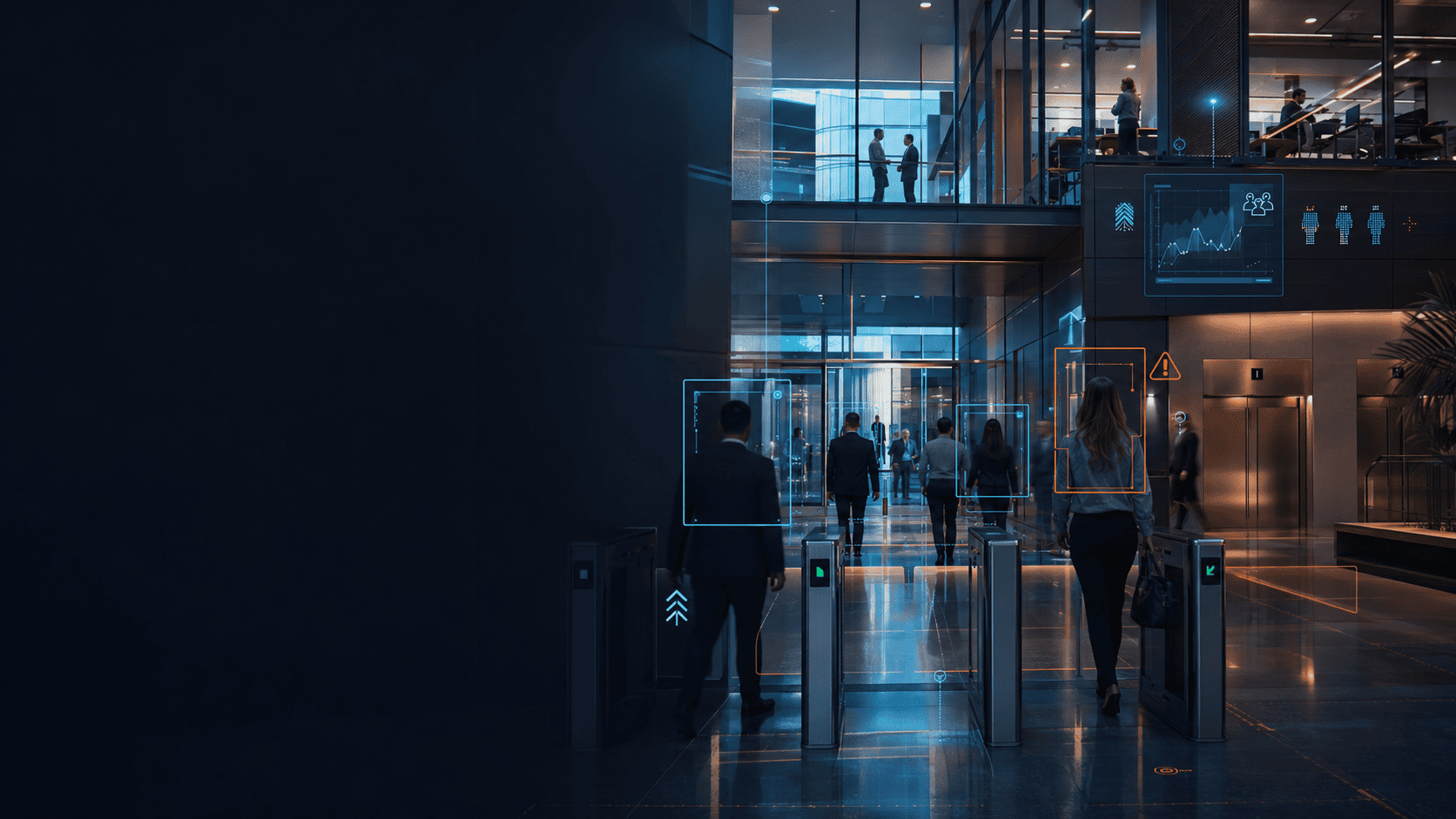
No factual view of building load
How many people entered and where elevators, floors and common areas are overloaded is often visible only through impressions or tenant complaints.

A unified layer for controlling entrances, office zones, workplaces, meeting rooms, safety, fire and smoke using existing cameras and integrations with access and office systems.
Business centers usually already have cameras, turnstiles and access passes. Without analytics, they do not provide a unified view of building load, employee presence, zone usage and operational safety.
How many people entered and where elevators, floors and common areas are overloaded is often visible only through impressions or tenant complaints.
A pass shows an entry fact, but not always whether an employee is in the required zone, workplace or shift station.
Meeting rooms may be booked and empty, lounge areas overloaded, while some workplaces remain unused.
Fire, smoke, fall, conflict, unattended object or blocked exit should become notifications, not remain only in the archive.
Scenarios can be launched step by step: counting and entrances first, then workplaces, meeting rooms, safety, fire and smoke, followed by a unified control center for a building network.
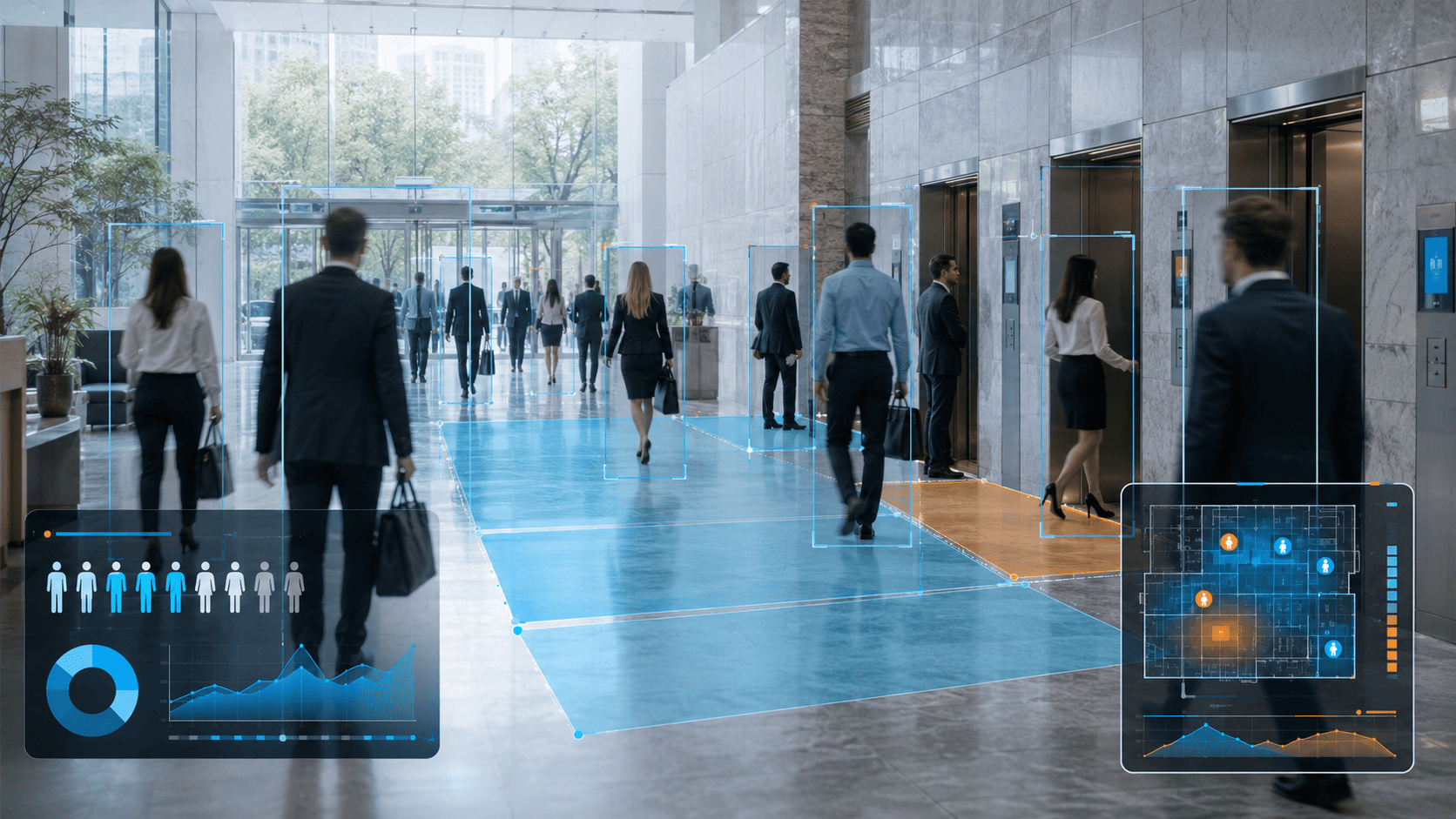 People
Entrances, elevators, floors, halls, shared zones, peak hours and actual attendance.
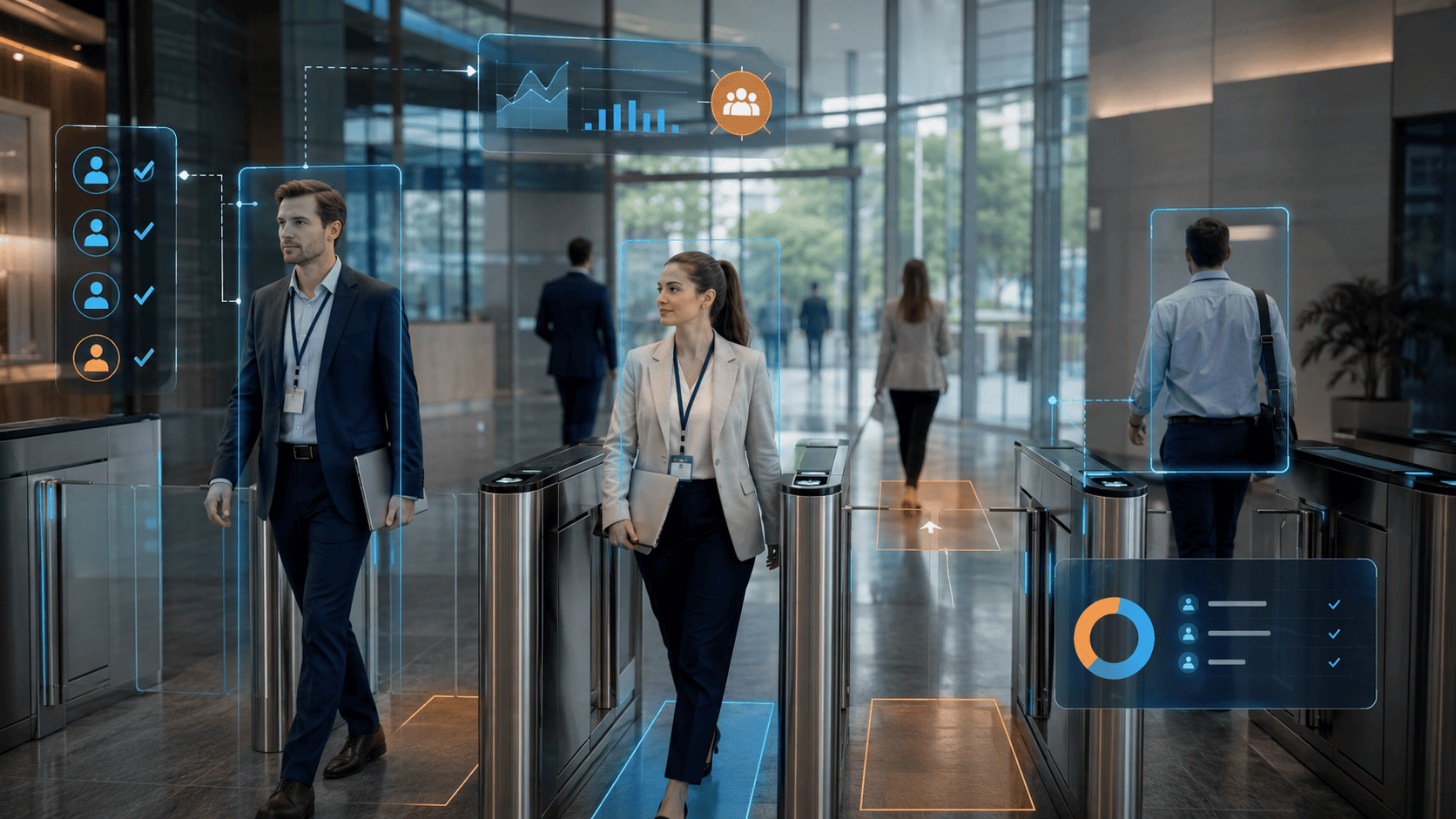 Access
Entrances, turnstiles, passes, shift start, late arrival and linkage to regulations.
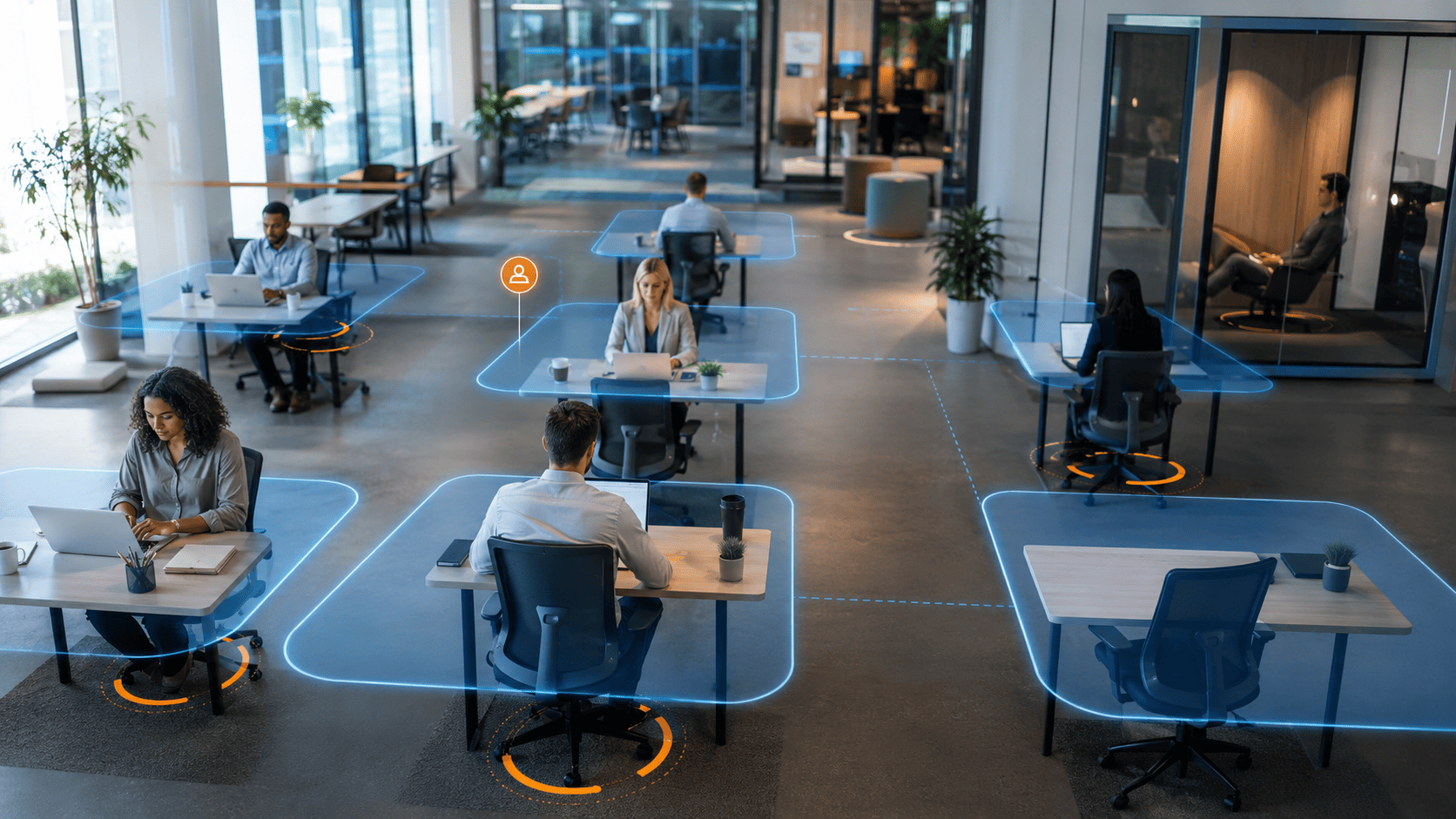 Workplaces
Work zones, stations, absence from workplace, long idle periods and shift schedule compliance.
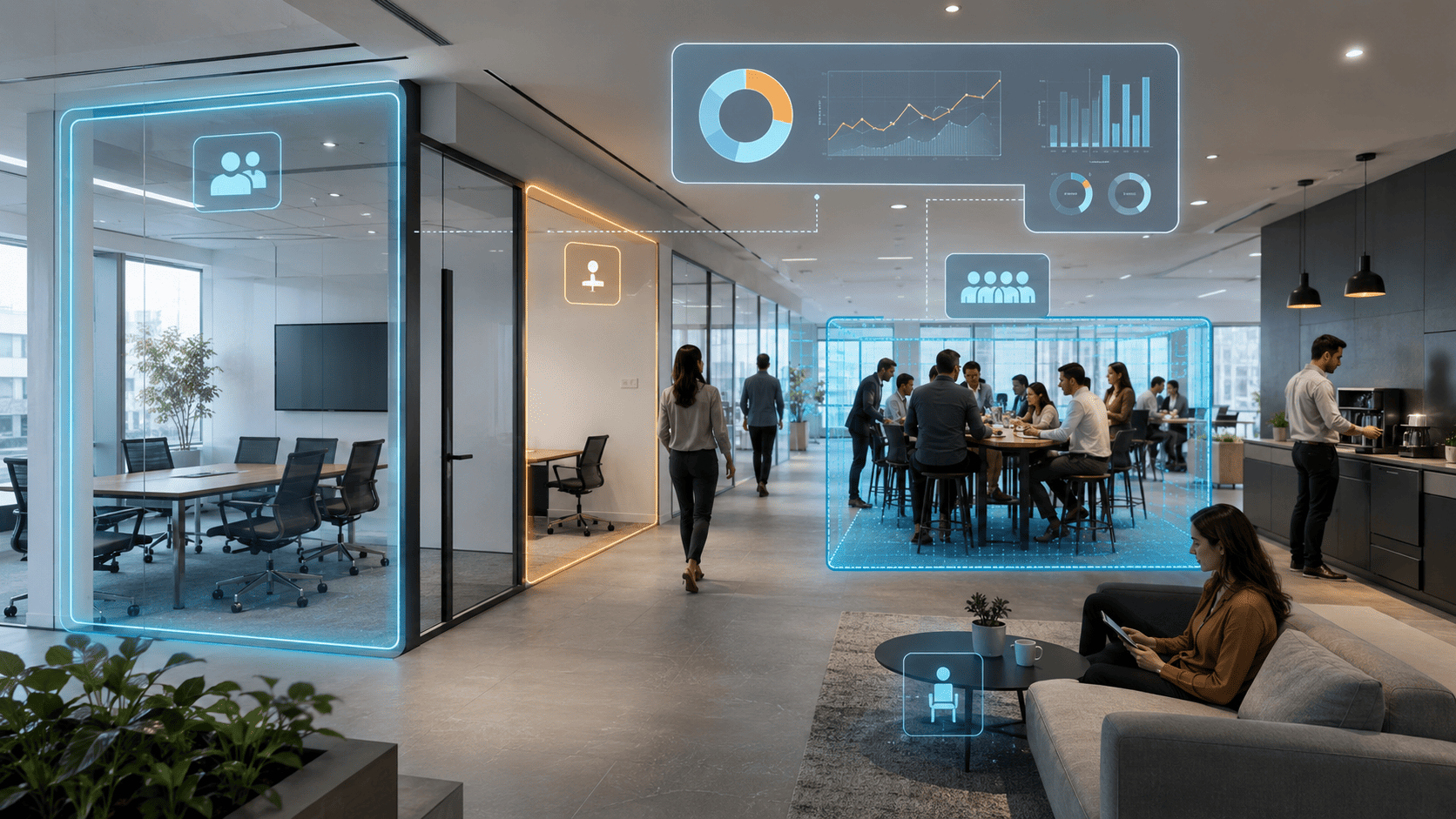 Rooms
RoomsActual room occupancy, empty bookings, overloaded lounge areas and office space usage.
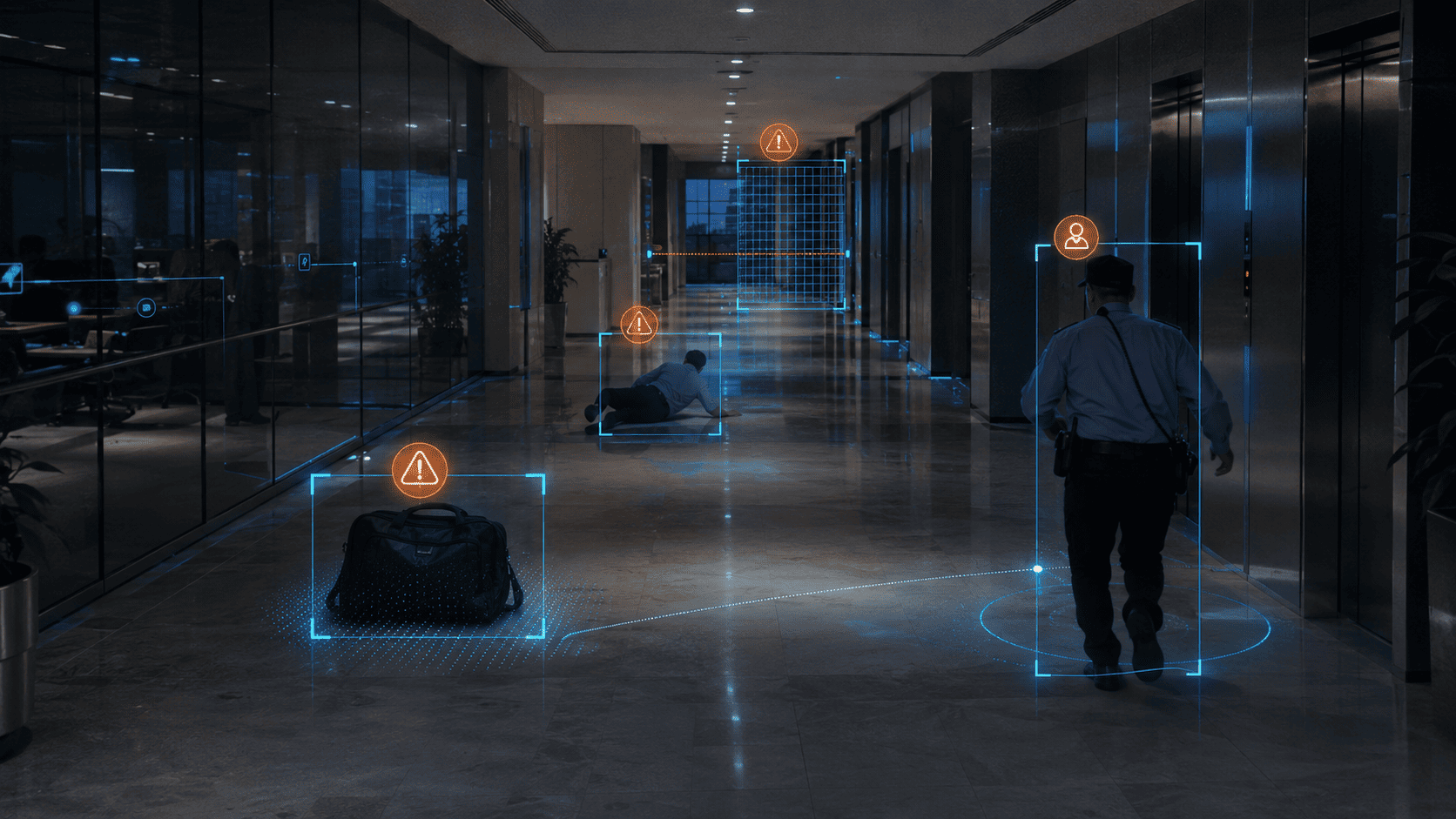 Safety
Falls, conflicts, unattended objects, unauthorized presence in service zones and blocked exits.
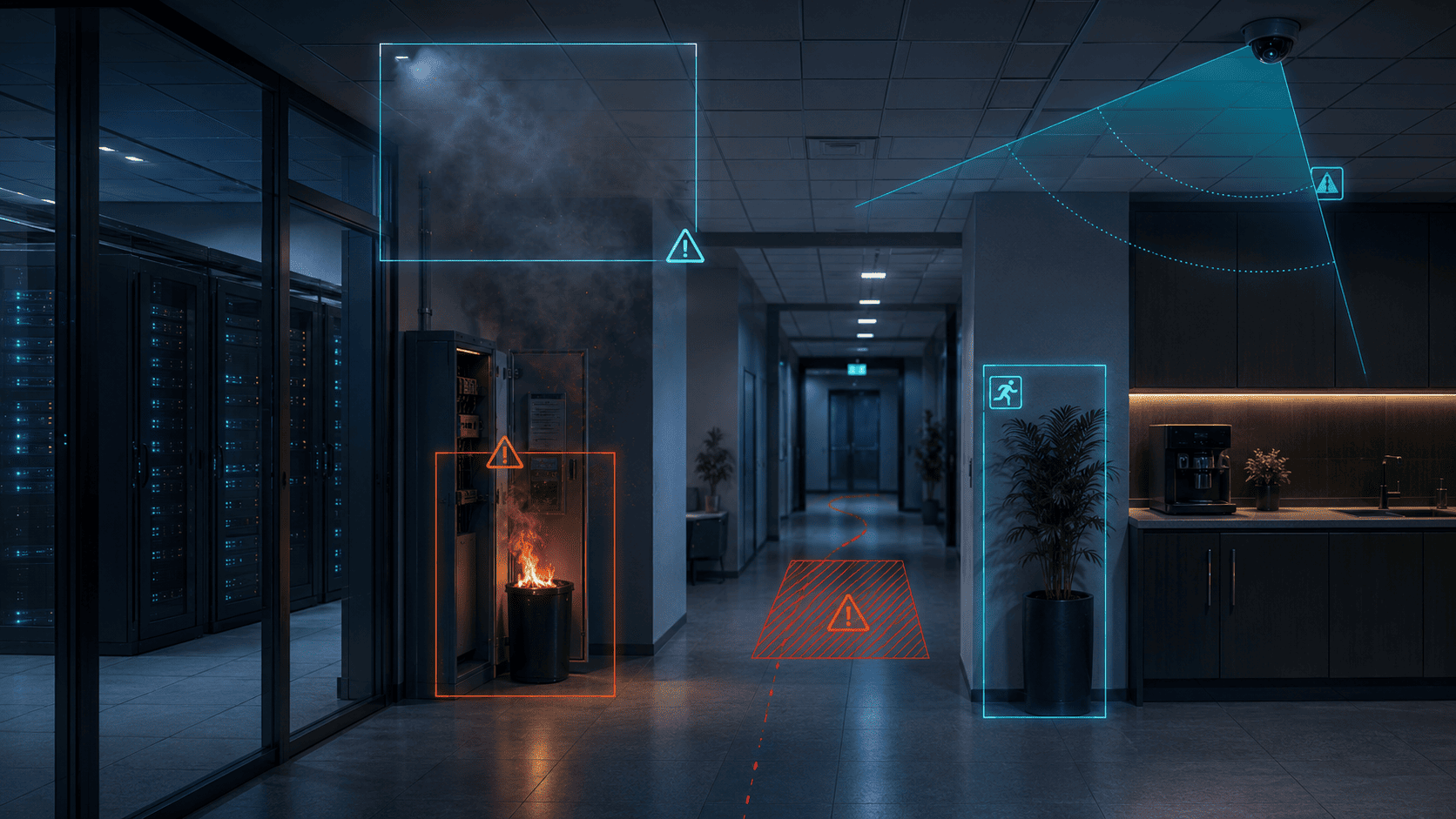 Fire / smoke
Early signs of smoke, open flame, overheating, blocked exits and hazardous zones.
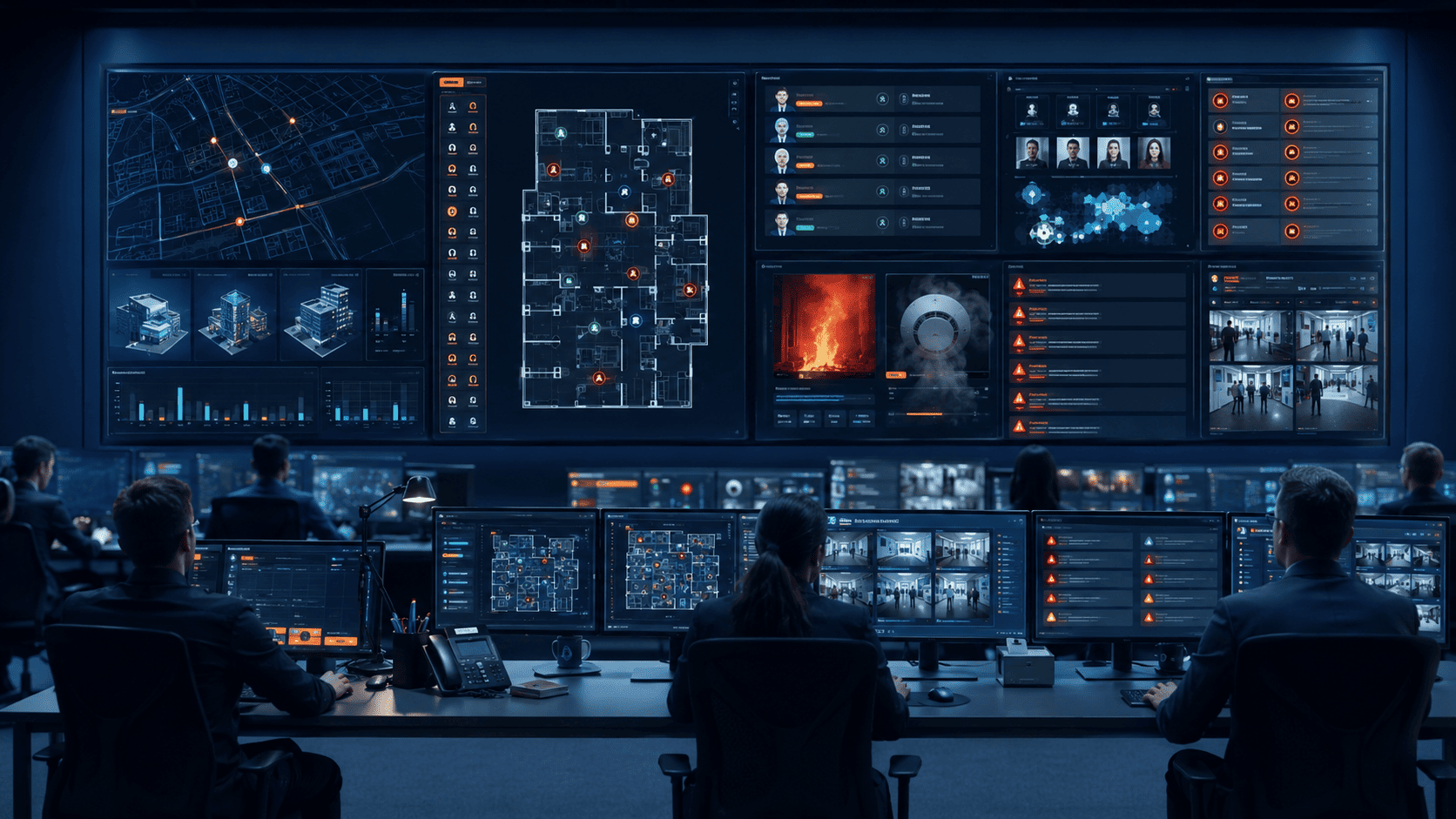 Center
Building map, office zones, entrances, events, safety, archive, KPIs and site comparison.
The platform analyzes video streams, links events to building zones and sends statuses to administrators, security, facility teams or office systems.
Video analytics counts employees and visitors, shows peak hours, overloaded zones and areas where people stay longer than usual.
This is useful for operations, cleaning, security, elevator management and tenant communication.
The scenario can be built without mandatory biometrics: using zones, passes, access rules and approved integrations.
For disputed cases, frames, time, zone and event type remain available.
Video analytics records long absence, an empty station, overloaded zone or unusual activity.
Rules are configured for the specific regulation and privacy level.
The system shows real room occupancy, usage duration, empty bookings and overloaded shared areas.
This helps adjust booking rules, cleaning, layout and space allocation.
The platform helps notice a fall, conflict, unattended object, unauthorized person in a service zone or blocked exit faster.
Notifications are sent to responsible teams together with frame, zone and time.
Video analytics complements fire automation with visual confirmation, exact zone and nearest camera.
It can also monitor free evacuation paths and blocked exits.
The dashboard combines building map, cameras, events, archive, notifications, reports and site comparison by KPI.
Roles are separated: management company, security, facility operations, tenant administrators and head office.
Metrics depend on layout, cameras, access control and tenant regulations. In the pilot we capture baseline values, launch 3–5 scenarios and compare results using the same metrics.
Each team sees its own events: management sees building KPIs, tenants see office regulations, security sees incidents, and facility teams see zones and safety.
No need to replace video surveillance. Scenarios run on top of existing cameras and can gradually connect to access control, office calendars, BI, VMS and notification channels.
RTSP/ONVIF, NVR/VMS, edge or server processing, work with already installed cameras.
Events can be linked to turnstiles, passes, access zones and approved project rules.
Meeting rooms, bookings, facility requests, BI dashboards and reports for the management company.
Events for administrators, security, facility teams and tenants via interface, email, Telegram or webhook.
We start with the camera plan, entrances, floors, tenants, office zones and regulations. Then we launch 3–5 scenarios, capture baseline metrics and keep only what produces measurable value.