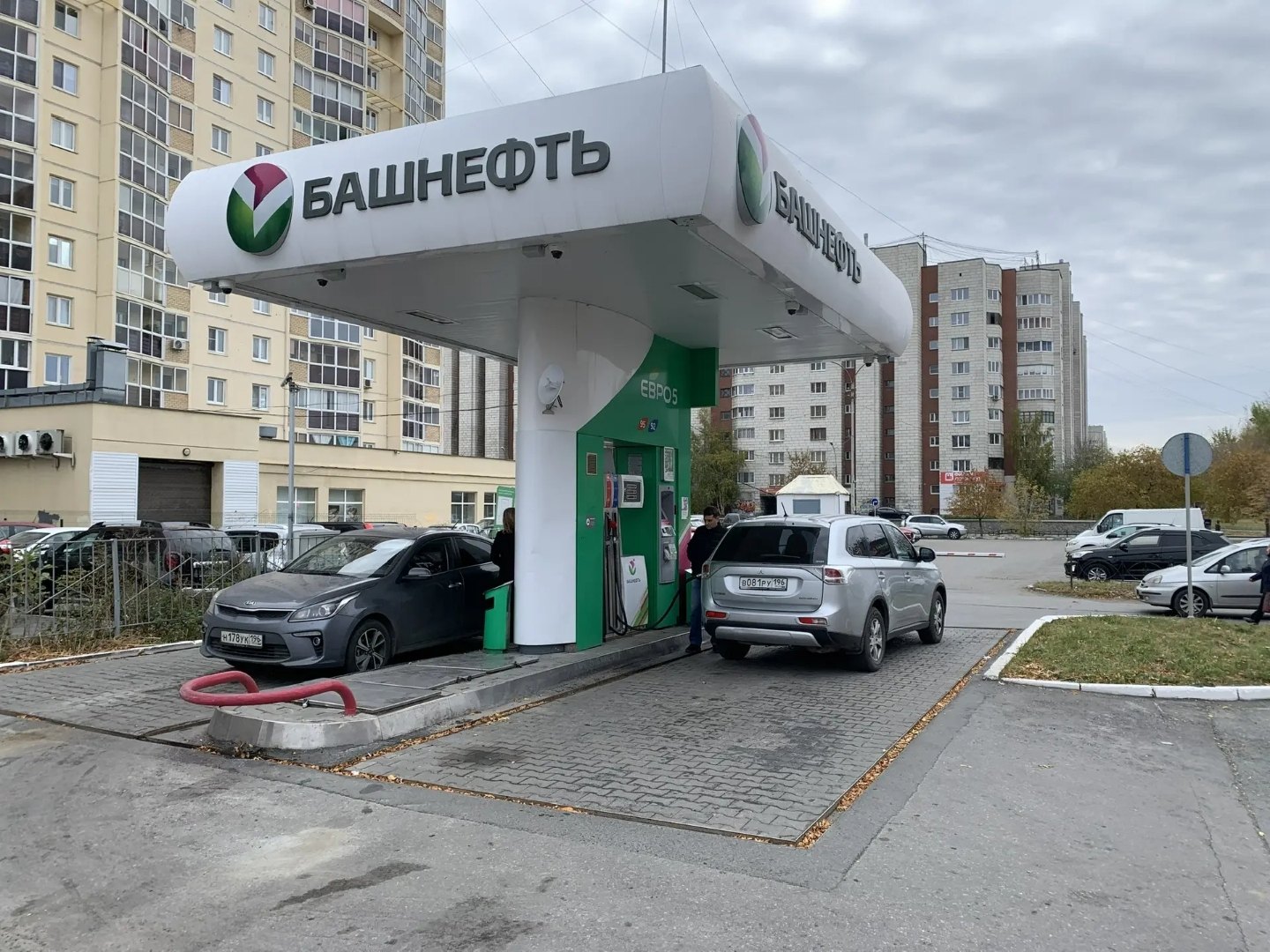
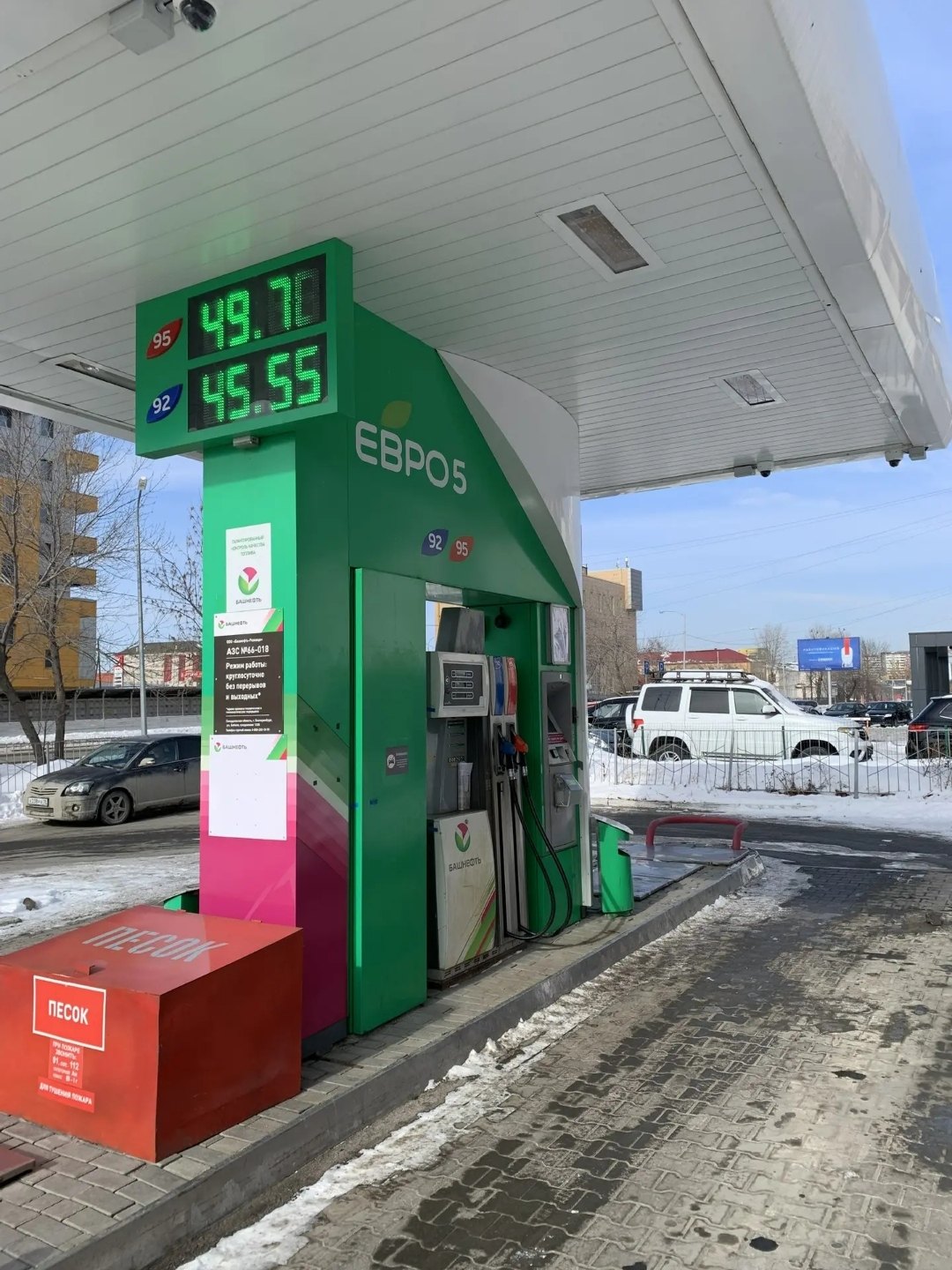
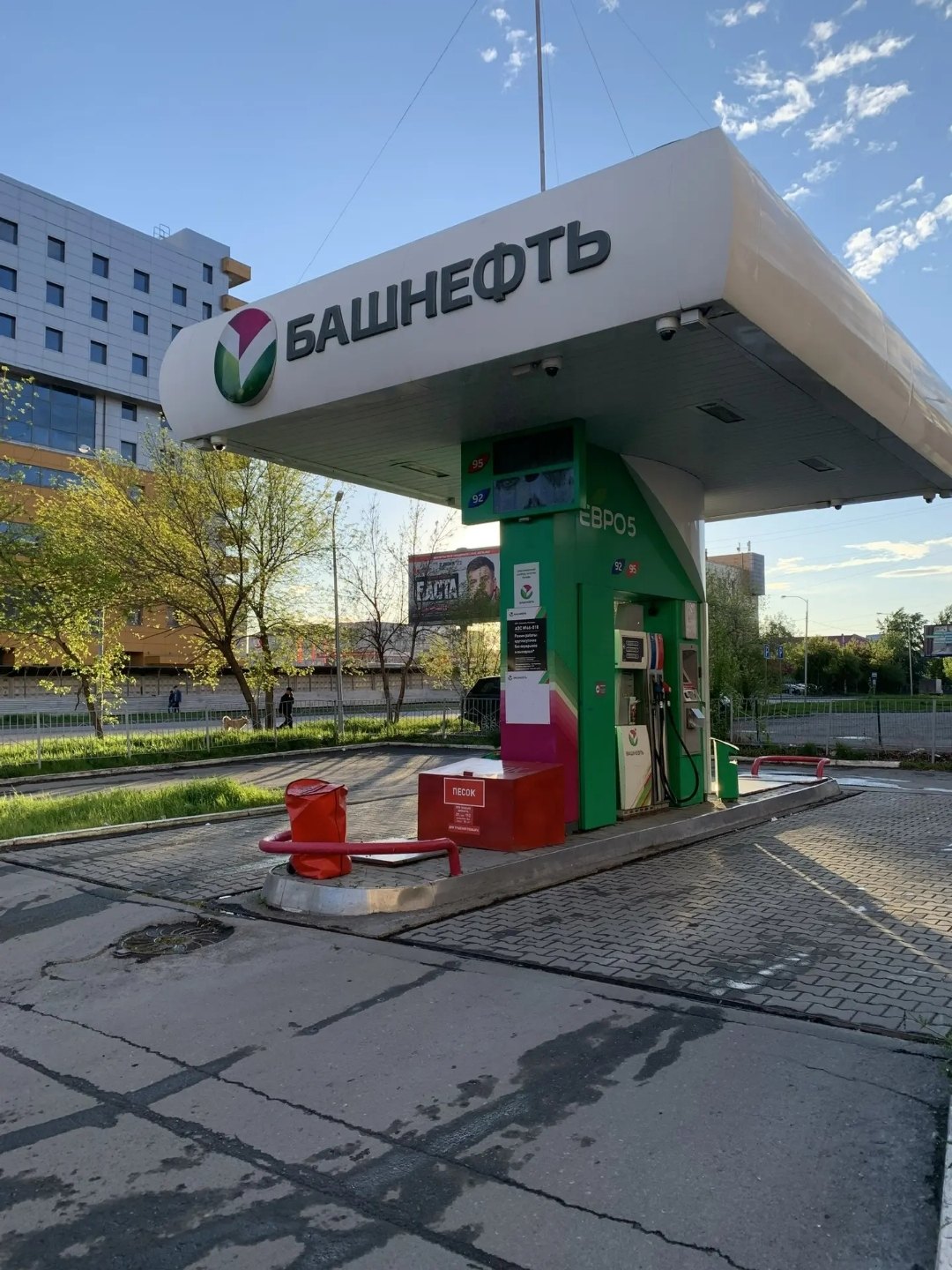
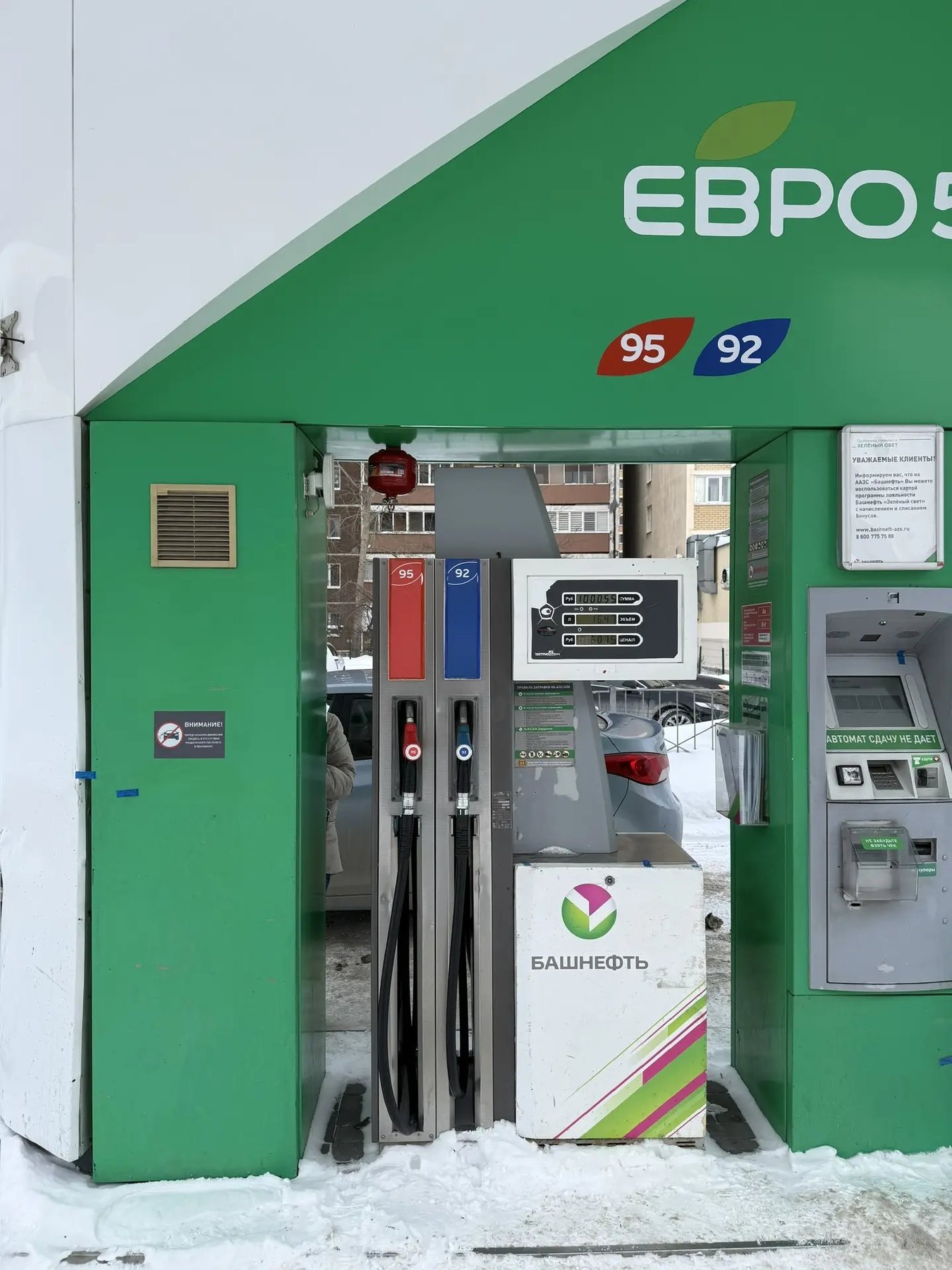
Gas station fuel dispenser and canopy
STATANLY FOR GAS STATIONS

AI video analytics platform for gas stations

We connect existing cameras at gas stations and turn them into a system for safety, queues, pumps, staff, store operations, service quality and incident management — with events, alerts and analytics across the whole network.

24/7continuous monitoring of safety events, queues and operating procedures
RTSP / ONVIFworks with existing IP cameras and VMS without full infrastructure replacement
Edge / Cloudlocal processing on site or centralized analytics for a distributed network
Queuesdetecting crowds, congestion, conflicts and blocked driveways
Pumpsfueling zone, hose, nozzle, spills and unsafe behavior control
API / BIevents to BI, control center, Telegram, CRM, ERP or VMS
existing camera integration ready-made and trainable AI scenarios from one station to a nationwide network

Why it matters

A gas station needs operational control, not just recorded video

Cameras are already installed at most stations, but a conventional archive helps only after the incident. AI detects events as they happen: a queue grows, someone smokes near a pump, a vehicle drives off with the nozzle, a spill, conflict or accident occurs.

Risks and losses

A gas station is a high-risk facility, a retail point and a service area at the same time.

  • fires, spills, traffic accidents and procedure violations
  • queues, lost customers and conflict situations
  • theft, vandalism, drive-offs and night incidents

The cameras are already there

Most networks already have CCTV, VMS, archive and remote access. We add an AI layer on top of this infrastructure.

  • RTSP / ONVIF and existing NVR/VMS connectivity
  • minimal new installation work during the pilot
  • fast start with one site and rollout to the network

AI changes management

Video becomes a source of events, KPIs and evidence, not just an archive.

  • incidents are delivered to operators automatically
  • queues and site load are visible in real time
  • management sees ratings of sites, regions and shifts
High load and queues

Queues, access and safety at busy stations

When customer flow increases, it is important to see pump and checkout queues, blocked access, risky maneuvers, crowding and early signs of conflict in advance. The system shows station load in real time and sends an event to the operator before the situation escalates.

  • vehicle counting in queues to each pump and at the entrance
  • waiting time and station overload estimation
  • detection of crowding, conflict behavior, falls and unsafe situations
  • blocked driveway, wrong-way movement and unsafe maneuver detection
  • operator alert before the incident escalates
pump queues people and conflicts falls and assistance blocked driveways
Unified platform

Safety, operations and service in one digital loop

STATANLY combines video streams, AI modules, response scenarios, alerts, event logs and BI analytics. You can start with base scenarios and gradually add new models for a particular network.

Safety

Automatic detection of unsafe and emergency situations on site.

  • fire, smoke, sparks and ignition risk
  • spills, leaks, overfill and hose damage
  • smoking, phones, prohibited containers and dangerous zones
  • suspicious objects, intrusions, theft and vandalism

Operational efficiency

Monitoring queues, station load, service time and staff performance.

  • queues at pumps, cashiers, shop and coffee zone
  • fueling time, idle pumps and peak load
  • staff presence and procedure compliance
  • KPIs by site, shift, region and network

Service and sales

Analytics for the store, checkout, food zone and customer experience.

  • visitor flow and entrance-to-purchase conversion
  • empty shelves, full bins and hall cleanliness
  • payment speed, order handoff and SLA control
  • finding growth points for revenue and service quality
Safety control

AI scenarios for hazardous and critical situations at gas stations

The system creates a digital event with a frame, zone, incident type, priority and timestamp. The operator sees not just video, but a specific situation that requires response.

Fire, smoke and sparks

Detection of open flames, smoke, bright flashes, equipment sparks and early signs of ignition.

Fuel spills and leaks

Detection of stains on asphalt, fueling spills, pump leaks, tank overfill and emergency spills after a collision.

Unsafe behavior

Smoking, open flame, phone use near pumps, fueling into prohibited containers and presence in dangerous zones.

Vehicle incidents

Pump collision, traffic accidents, drive-off with the nozzle in the tank, wrong-way movement, blocked access and unsafe maneuvers.

Crowds, queues and conflicts

Monitoring long queues, crowds, aggressive gestures, fights, falls and conflict escalation.

Theft and vandalism

Theft attempts, pump damage, property damage, hooliganism, bin arson and night incidents.

Restricted and dangerous areas

Intrusion into reservoir manholes, unloading zones, technical cabinets and other restricted areas.

Technogenic and weather emergencies

Flooding, structural damage, fallen wires, strong wind and other events affecting station safety.

Operational efficiency

Queues, service speed and station performance become measurable

Video analytics shows where the station loses throughput, which pumps are idle, how customer flow changes and where an additional employee or procedure change is needed.

Pump queues

Number of vehicles, queue length, waiting time, occupied positions and overload of specific pumps.

Cashier and store queues

Customer crowding, waiting time, the moment to open a second cashier and service quality control.

Service speed

Time spent on site, fueling time, payment speed, order handoff and SLA compliance.

Station load

Cars per hour, peak hours, traffic distribution, throughput and site-to-site comparison.

Store and coffee zone

Store traffic, empty shelves, hall cleanliness, full bins, coffee queue and repeat purchases.

Staff and discipline

Presence at post, absent operator, idle time, territory rounds, uniform and work during peak hours.

Onlinestatus of every station and incident priorities
Queue KPIqueues, waiting time and pump occupancy
Service KPIpayment, service and staff speed
Network BIratings of sites, shifts, regions and deviations
Network control center

All gas stations in one digital management window

For a distributed network, it is important not only to respond to individual incidents, but also to maintain unified safety and service standards. The platform shows a map of sites, statuses, incidents, queues, KPIs and deviation dynamics by region.

  • online status of each station and critical event list
  • comparison of queues, service speed and load across sites
  • ranking of regions, shifts and stations by KPI
  • priority alerts: safety, service, equipment and personnel
  • unified control scenarios and rollout of new models across the network
Deployment scenarios

Suitable for unattended stations, urban sites and nationwide networks

The page is built around practical tasks: safety, queues, pumps, store operations, staff and centralized network management.

Self-service terminal at a gas station

Unattended gas stations

Automatic detection of emergencies, suspicious activity, spills and conflicts with event transfer to the dispatch center.

Gas station territory with cars

Gas station network

Unified control center, site comparison, model rollout and management analytics for regions and executives.

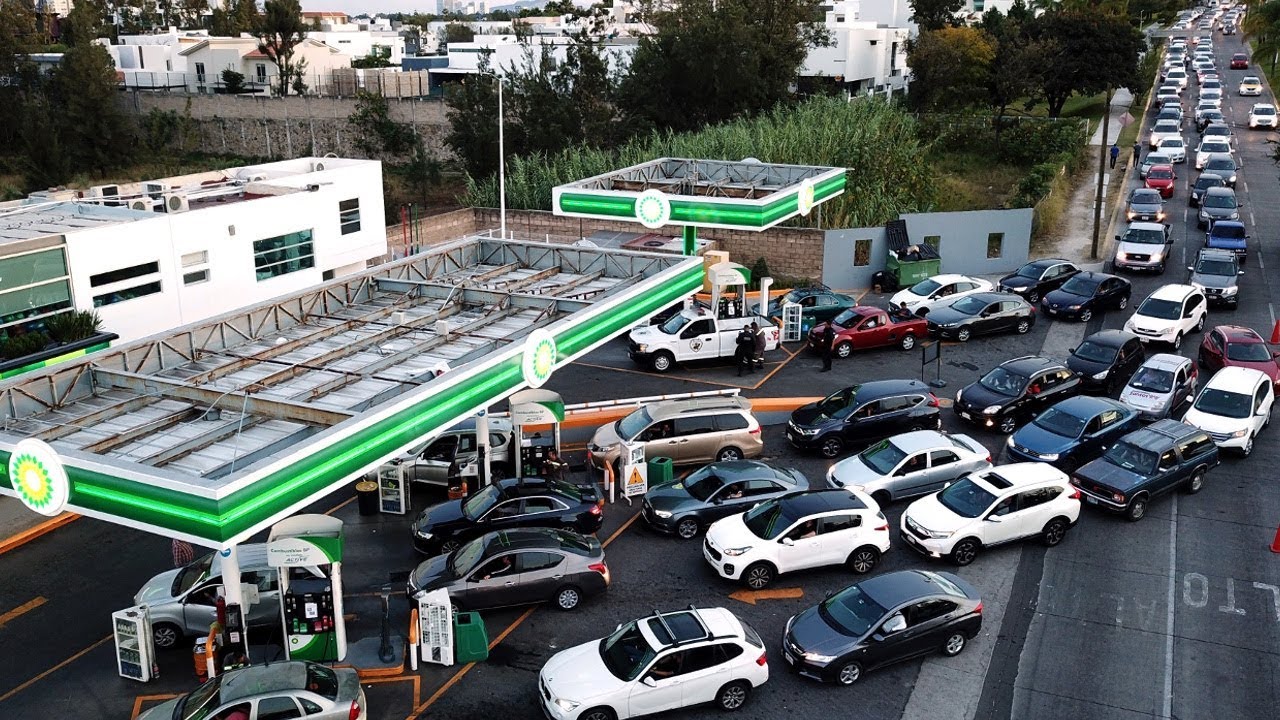
Vehicle queue at a gas station

High station load

Queue, crowding, conflict, blocked access and staff activity monitoring during high-load hours.

Gas station in winter and pump area

Industrial safety

Fire, smoke, spills, smoking, prohibited containers, dangerous zones, accidents, pump collision and equipment damage.

Architecture

Connects to existing cameras and scales to the whole network

The system can run locally on site, centrally on a GPU server or in a hybrid model. This allows you to start with a pilot and expand the set of scenarios without painful infrastructure changes.

Existing cameras

Connect IP cameras, VMS, NVR, RTSP/ONVIF, video streams and individual frames without full CCTV replacement.

On-site Edge

Local processing of critical events, lower channel load, autonomous operation and fast response.

Central AI layer

A GPU server receives streams or frames from sites and manages models, events, dashboards and roles.

Scaling

From one station to hundreds of sites: unified scenarios, model versions, alerts, reports and BI analytics.

Implementation

A pilot can be launched step by step without stopping an active station

First we connect cameras and basic scenarios, then add specialized models: spills, drive-off with nozzle, prohibited containers, accidents, queues and conflicts.

01

Site audit

Cameras, fields of view, VMS, communication channels, risks, control zones and priority scenarios.

02

Stream connection

RTSP/ONVIF, NVR/VMS, zones, schedules, roles and operator access setup.

03

Base modules

Fire, smoke, fall, fight, suspicious object, queue, personnel and vehicle analytics.

04

Pump scenarios

Fuel spill, leak, drive-off with nozzle, prohibited container, pump collision.

05

Dashboards and API

Event log, alerts, BI and integrations with VMS, control center and external systems.

06

Pilot operation

Sensitivity tuning, false alarm reduction, procedure testing and scaling preparation.

Integrations

Events must arrive where they are actually managed

The platform is not limited to a separate interface. Incidents can be sent to a control center, BI, VMS, Telegram, corporate systems and automatic response scenarios.

VMS / NVR / CCTV

Integration with existing video surveillance, recorders, streams, archive and operator workstations.

Alerts and alarms

Telegram, push, email, siren, alarm event to the control center and incident journal.

BI and business systems

Network KPIs, reports, site ratings, integration with ERP, CRM, POS and service systems.

New AI models

Add new incident types, retrain models on network data and manage scenario versions.

We will show which gas station scenarios should be launched first

We start with a camera audit and priority risks: queues, pumps, safety, store, staff or network management. Then we propose a pilot architecture and model list without unnecessary modernization.